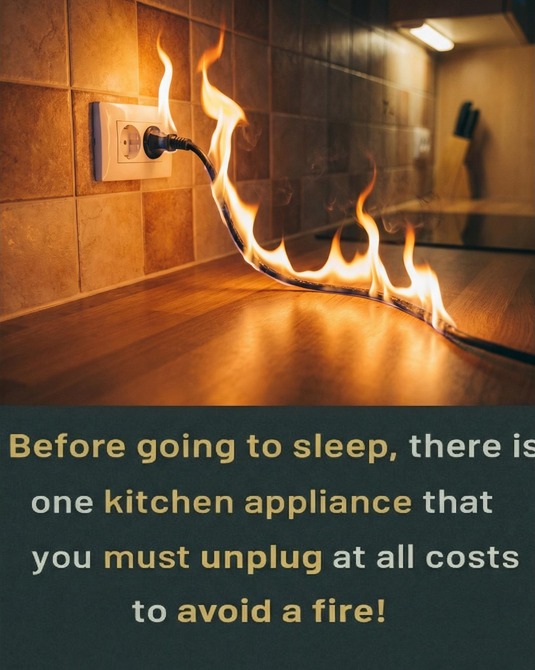
It started with a smell that didn’t belong in my kitchen, sharp and unfamiliar, cutting through the calm of a quiet evening. At first, I assumed it was something harmless, maybe food residue or a passing electrical hiccup. Then I touched the plug of my air fryer and felt warmth where there shouldn’t have been any. The plastic looked slightly distorted, just enough to make my stomach tighten. This was an appliance I used almost every day, one I trusted without a second thought. That moment shifted something in me. It wasn’t panic that followed, but a slow realization of how easily routine can dull awareness, even when it comes to saf
Like many people, I had always believed that turning appliances off was enough. Once the switch was flipped, they faded into the background of daily life, quietly waiting for the next use. Kitchens are full of devices designed to produce heat, draw power, and operate under stress, yet we rarely think about them once they’re idle. That night reminded me that “off” does not always mean disconnected. Some appliances still draw small amounts of electricity, and worn cords or internal components can continue to hold heat. It’s easy to remember to lock doors or turn off lights before bed, but far easier to forget what’s still plugged into the wall.
Air fryers, in particular, are powerful tools packed into compact designs. They operate at high temperatures and pull significant electrical loads, which means even small issues can grow over time. Heat exposure, grease buildup, and normal wear slowly affect cords and plugs, often without visible damage at first. Many people only notice something is wrong when a plug feels warm, a faint smell appears, or the plastic begins to discolor. After my experience, I discovered countless similar stories shared by others who noticed subtle warning signs long before anything serious happened. Those shared experiences made one thing clear: awareness is often the difference between prevention and regret.
Unplugging certain kitchen appliances at night turned out to be one of the easiest safety habits I’ve ever adopted. It costs nothing, takes seconds, and completely removes the risk of electrical issues while everyone is asleep. This simple practice doesn’t apply only to air fryers. Toasters, coffee makers, kettles, blenders, and other heat-based appliances all benefit from being fully disconnected when not in use. Pairing unplugging with occasional cord checks, keeping plugs clean, and wiping away grease adds another layer of protection. That quiet moment in my kitchen didn’t make me fearful. It made me mindful. Now, unplugging appliances before bed feels less like a chore and more like a small act of care, one that helps my home rest safely through the night.