Finding slugs inside your home can be both surprising and unsettling.
They appear quietly, often late at night or early in the morning, leaving behind unmistakable silvery trails on floors, walls, or baseboards. While slugs themselves are harmless to people, their presence indoors is rarely accidental.
If slugs keep showing up in your home, it’s usually a sign that something in your environment needs attention. Rather than being a matter of bad luck, slugs often serve as a natural warning that your house may be dealing with moisture, structural gaps, or outdoor conditions that are inviting unwanted visitors inside.
Why Slugs End Up Indoors
Slugs are soft-bodied creatures that rely heavily on moisture to survive.
Outdoors, they thrive in gardens, under rocks, and in damp soil. Indoors, they are not seeking human contact, warmth, or food in the way insects might. Instead, they are responding to conditions that closely resemble their natural habitat. When those conditions exist inside a house, slugs will find their way in.
Understanding why slugs are appearing is the first step toward solving the problem effectively—and preventing more serious issues from developing over time.
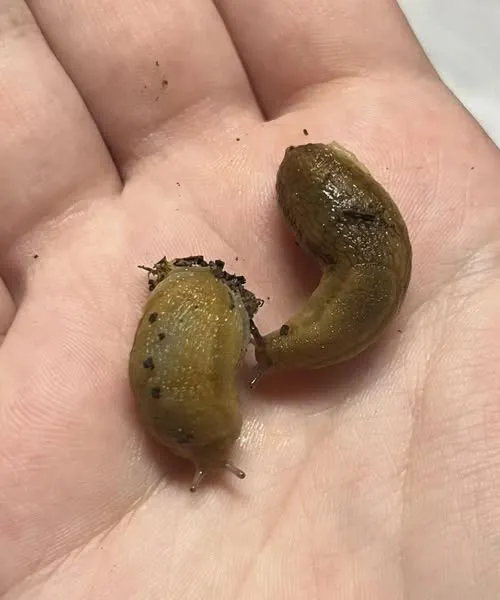
1. Excess Moisture Is the Primary Cause
The most common reason slugs enter a home is excess moisture. Slugs are extremely sensitive to dryness and will actively seek out damp environments. If your home has persistent moisture issues, it becomes an attractive refuge for them.
Common moisture sources include:
- Leaking pipes under sinks or behind walls
- Damp basements, crawl spaces, or cellars
- Condensation forming on windows, especially in humid climates
- Wet bathroom floors, shower areas, or laundry rooms
Even minor leaks that go unnoticed can create micro-environments where slugs feel safe. Over time, this moisture can also lead to mold growth, mildew odors, and even damage to wood, drywall, and insulation—issues far more costly and harmful than the slugs themselves.
What to do:
Repair leaks as soon as possible, use dehumidifiers in damp areas, and improve airflow by running exhaust fans or opening windows when weather allows. Keeping your home dry is the single most effective way to discourage slugs.
2. Hidden Entry Points Allow Easy Access
Slugs don’t need large openings to enter a home. Their flexible bodies allow them to squeeze through extremely small gaps that often go unnoticed by homeowners. If slugs appear repeatedly, they’ve likely discovered a reliable entry point.
Check carefully for:
- Gaps under exterior doors
- Worn or damaged weather stripping
- Cracks in foundations or walls
- Spaces around pipes, vents, or cables entering the house
- Loose window frames or deteriorating seals
Once slugs find a consistent route indoors, they will continue using it as long as conditions remain favorable.

What to do:
Seal cracks with caulk, replace damaged weather stripping, and ensure doors and windows close tightly. Paying attention to these small details not only stops slugs but also improves energy efficiency and keeps other pests out.
3. Outdoor Conditions Can Push Slugs Inside
Sometimes the issue begins outside. Heavy rainfall, flooding, or prolonged humidity can force slugs to search for drier shelter. If your yard or garden retains too much water, slugs may naturally migrate toward your house.
Look around your home’s exterior for:
- Overwatered plants close to walls
- Mulch piled directly against the foundation
- Dense vegetation touching the house
- Poor drainage or standing water near the structure
These conditions create a bridge between outdoor slug habitats and your interior spaces.
What to do:
Improve drainage around your home, redirect downspouts away from the foundation, move mulch a few inches away from walls, and trim plants so they don’t touch the structure. Creating a dry buffer zone makes your home far less appealing to slugs.
4. Food Sources Can Attract Them
Slugs feed on organic material, and even small amounts can attract them indoors. Crumbs, pet food, compost, or decaying plant matter can serve as an unexpected food source.
Be sure to check for:
- Food left out overnight
- Unsealed trash bins
- Pet bowls left on the floor
- Compost stored too close to entrances
- Fallen leaves or debris near doors
What to do:
Keep floors clean, seal food containers, empty trash regularly, and remove organic debris from around entryways. Simple cleanliness goes a long way in reducing attraction.
5. A Sign of Environmental Imbalance
While slugs are not dangerous, their presence often points to an imbalance in your home’s environment. Too much moisture, poor ventilation, or delayed maintenance can quietly invite nature indoors. In this sense, slugs are not the problem—they are a symptom.
Think of them as a natural indicator that something needs adjustment. Addressing the root causes improves both your living conditions and the overall health of your home.
How to Remove Slugs Safely
There’s no need to use harsh chemicals. Slugs are part of the ecosystem and don’t need to be killed.
Instead:
- Wear gloves and gently remove them
- Place copper tape near entry points (slugs avoid it)
- Keep surfaces dry and well-lit
- Sprinkle salt outside, never indoors
These methods are effective and environmentally responsible.
When to Take Action
An occasional slug isn’t a cause for alarm. However, repeated appearances mean it’s time to investigate. Ignoring the issue can allow moisture damage or mold to develop silently, leading to health concerns and costly repairs.
Final Thought
Slugs don’t wander into homes by accident. If they keep appearing, your house is likely signaling excess moisture, hidden gaps, or poor drainage. Addressing these underlying issues doesn’t just stop the slugs—it protects your home, your health, and your peace of mind.
Have you noticed slugs in your home recently? What did you discover when you looked closer? Your experience might help someone else identify a problem before it grows larger.