The vintage twirling baton remains one of the most recognizable symbols of classic performance culture. Instantly associated with parades, marching bands, halftime shows, and community celebrations, it represents an era when live performance was a central part of public life.
Though it may appear to be a simple rod with decorative ends, the baton played a powerful role in shaping some of the most visually captivating and rhythmically precise routines of the early and mid-20th century.
History and Origins
The origins of the twirling baton can be traced back to military and ceremonial traditions. In the early 1900s, similar staffs were carried by drum majors who led marching units.
These leaders used controlled movements of the baton or mace to signal commands and maintain formation discipline. The focus at that time was authority and structure rather than entertainment.
As public parades and community celebrations grew in popularity, the baton gradually transitioned from a purely functional object into a performance instrument. By the 1920s and 1930s, baton twirling had become an emerging art form.
It found a natural home in competitive marching band routines and cheerleading squads at high schools and colleges across the United States and beyond.
This shift marked a turning point. What began as a tool of coordination evolved into a symbol of showmanship. Performers began incorporating spins, tosses, and choreographed flourishes, transforming simple marching displays into dynamic spectacles that drew enthusiastic crowds.

Design and Materials
Vintage twirling batons were designed with practicality and balance in mind. Unlike modern versions that may feature advanced materials or decorative enhancements, early batons were straightforward in construction.
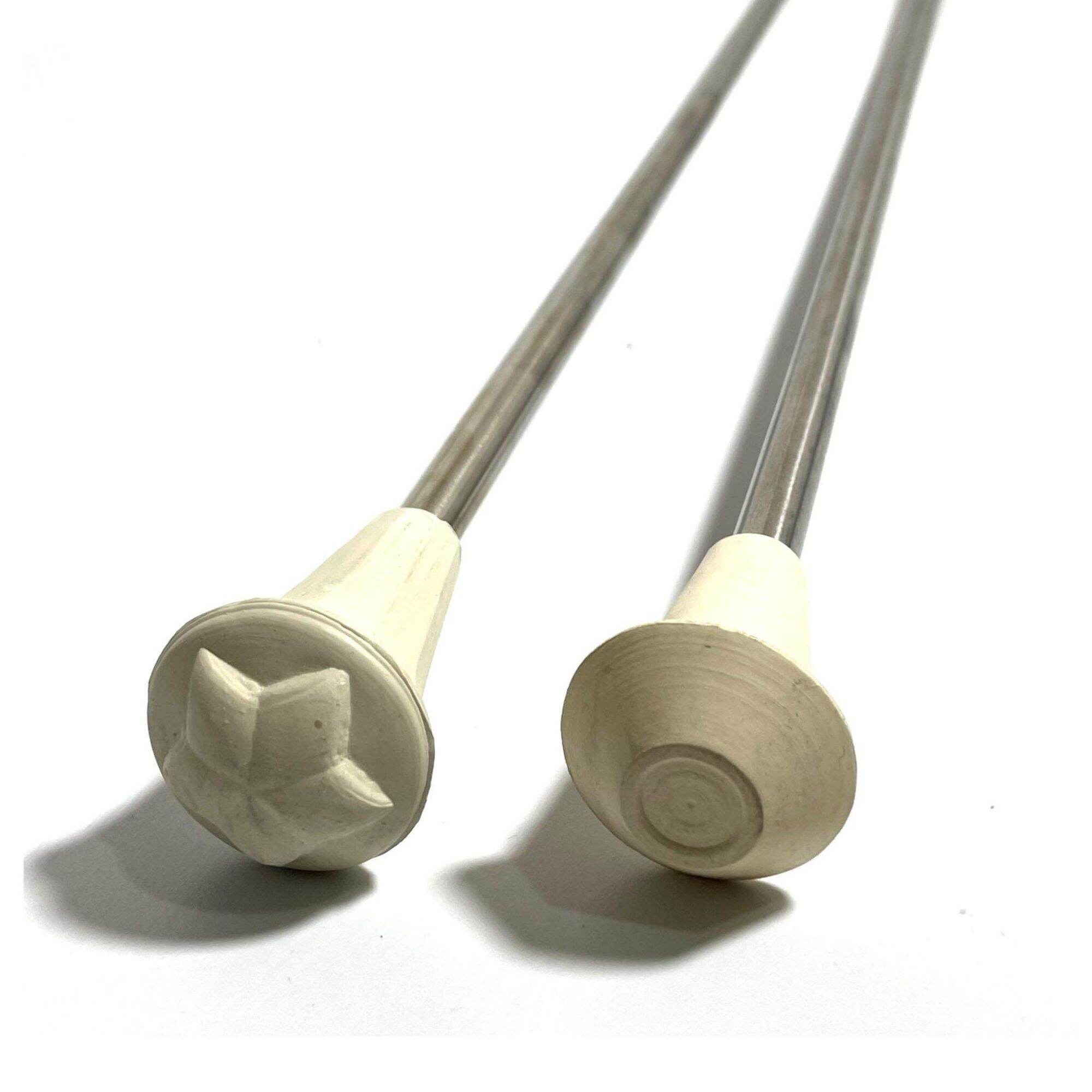
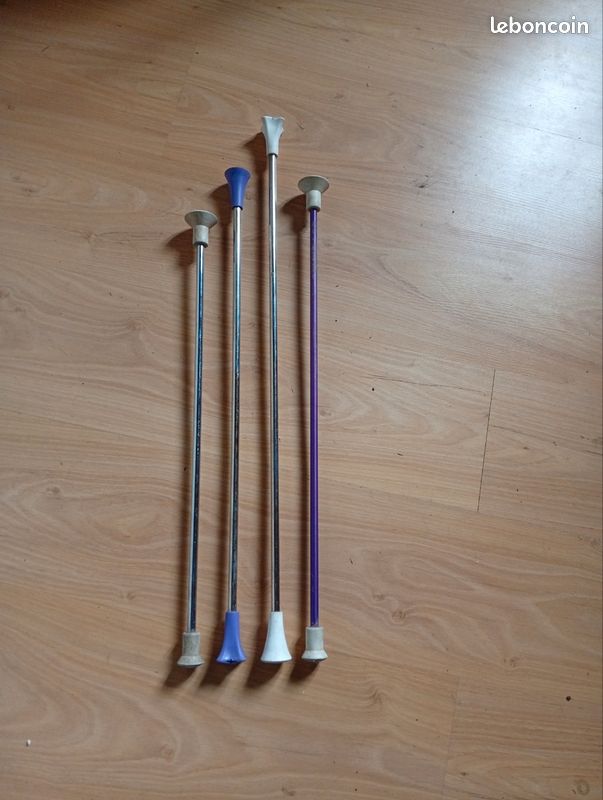
Common materials included wood or metal shafts, often capped with rubber or weighted tips on either end. The balance of the baton was carefully calibrated. Too heavy, and it would be difficult to control.
Too light, and it would not spin smoothly. Achieving the right equilibrium was essential for consistent rotation and controlled tosses.
The structure was intentionally simple: a straight rod with symmetrical ends to ensure predictable movement in the air. This balanced design allowed performers to execute spins, rolls across the arms or body, and high throws with confidence.
The baton became an extension of the performer’s hand—responsive, reliable, and capable of remarkable visual effects when handled skillfully.
Performance and Cultural Impact
Vintage twirling batons appeared in a wide range of settings. They were prominently featured in:
- Community parades
- Military and ceremonial drills
- Halftime shows at sporting events
- School competitions and public exhibitions
In each of these environments, baton twirling added flair and rhythm to the overall performance. Performers created flowing patterns in the air, synchronized their movements with music, and executed tricks that required precise timing and coordination.
Twirling was rarely a solo act in larger productions. It often formed part of a coordinated group routine, where multiple performers moved in harmony. The visual symmetry of several batons spinning simultaneously created a striking effect that amplified the energy of the event.
Beyond entertainment, baton twirling became a source of pride for schools and communities. Competitions encouraged discipline and practice, while public performances built confidence and stage presence in young performers.
The Skill Behind the Art
While baton twirling may look effortless when performed well, it demands significant physical and mental skill. Successful routines require a blend of athleticism and artistry.
Athleticism plays a central role. Twirlers must develop strong wrists, steady arms, and core stability to maintain control. Endurance is also important, particularly during extended performances or competitions.
Timing and rhythm are equally critical. Movements must align precisely with music or marching beats. A fraction of a second off can disrupt the flow of a routine.
Choreography adds another layer of complexity. Transitions between tricks must be smooth and intentional. Tosses must be calculated to land cleanly in the hand. Eye focus, posture, and footwork all contribute to the final presentation.
Above all, artistic expression transforms technical skill into performance. The most memorable routines combine accuracy with personality, turning disciplined technique into a graceful, engaging display.
A Lasting Legacy
Though performance styles have evolved over the decades, the vintage twirling baton remains a powerful emblem of a vibrant cultural tradition. It represents an era when community events were grand affairs and live performances brought people together in shared celebration.
From its ceremonial beginnings to its role in school competitions and public shows, the baton evolved into more than just a prop. It became a tool for creativity, discipline, and self-expression.
Today, vintage batons serve as nostalgic reminders of that time. They reflect a chapter in performance history defined by precision, motion, and flair—where a simple, balanced rod could command attention and transform a marching line into a captivating spectacle.