When it comes to a truly sumptuous and savory meal, few dishes can compete with a perfectly cooked prime rib. Often served at holiday gatherings, special celebrations, or elegant dinners, this impressive cut of beef is prized for its exceptional tenderness, rich marbling, and deep, beefy flavor.
A well-prepared prime rib roast can easily become the centerpiece of a memorable meal that leaves guests talking long after the plates are cleared.
While prime rib may seem intimidating to cook at home, the truth is that with the right preparation, technique, and attention to detail, anyone can master it.
Understanding how to choose the right cut, season it properly, roast it to perfection, and allow it to rest correctly will ensure that your prime rib turns out juicy, flavorful, and beautifully tender every time.
In this comprehensive guide, we’ll walk you through the entire process—from selecting the perfect roast at the butcher counter to slicing and serving it like a seasoned chef.

Selecting the Right Prime Rib
Choosing the Best Cut
The first and most important step in cooking a great prime rib is selecting a high-quality cut of meat. Prime rib, also known as a standing rib roast, comes from the rib section of the cow.
This area is naturally tender and well-marbled, which means it contains small streaks of fat that melt during cooking, creating incredible flavor and moisture.
When shopping for prime rib, look for a bone-in roast weighing between 6 and 8 pounds. The bones serve several purposes: they help insulate the meat during cooking, enhance the flavor, and create a natural roasting rack that keeps the meat elevated in the pan.
Another thing to look for is good marbling throughout the meat. Thin lines of fat evenly distributed through the roast will result in a more tender and flavorful finished dish. If possible, ask your butcher for a roast with the bones already “frenched” or partially trimmed for easier presentation and carving.
Understanding Meat Grades
If available, consider the grade of beef. In many countries, prime rib may be labeled as Prime, Choice, or Select.
- Prime grade has the most marbling and the richest flavor.
- Choice is slightly leaner but still excellent for roasting.
- Select tends to be leaner and less tender.
For the best results, Prime or Choice cuts are ideal.
Seasoning and Preparation
Before cooking, proper seasoning is essential to bring out the natural flavor of the beef. Prime rib doesn’t require complicated marinades or heavy sauces. In fact, simple seasoning allows the quality of the meat to shine.
Start by bringing the roast to room temperature. Remove the prime rib from the refrigerator about 1–2 hours before cooking. This step helps the meat cook more evenly.
Next, prepare a simple seasoning mixture:
- 2 tablespoons olive oil
- Kosher salt
- Freshly ground black pepper
Rub the entire roast with olive oil to help the seasoning stick and to promote a beautiful crust during roasting. Generously season all sides with salt and pepper.
For an extra layer of flavor, you can insert whole garlic cloves directly into the meat. Use a small paring knife to create small slits throughout the roast, then push the garlic cloves into the openings. As the roast cooks, the garlic will gently infuse the meat with subtle aromatic flavor.
Some cooks also like to add herbs such as rosemary, thyme, or crushed garlic to the surface of the roast for additional aroma.

Cooking the Perfect Prime Rib
Initial High-Temperature Roasting
Preheat your oven to 500°F (260°C). Starting the roast at a high temperature helps create a flavorful outer crust while locking in the natural juices of the beef.
Place the prime rib roast bone-side down on a rack in a roasting pan. If you don’t have a rack, the bones themselves will act as one.
Rub the roast once more with olive oil if desired, then make sure it is evenly seasoned with salt and pepper.
Place the roasting pan in the oven and cook the roast at 500°F for about 15 minutes. This high heat jump-starts the cooking process and helps develop a beautiful browned exterior.
Slow Roasting to Perfection
After the initial high-heat stage, reduce the oven temperature to 325°F (160°C). Continue roasting the prime rib slowly until it reaches your desired level of doneness.
Cooking time will vary depending on the size of the roast, but as a general guideline, expect approximately 15 minutes per pound.
The most reliable way to achieve perfect doneness is by using a meat thermometer inserted into the thickest part of the roast, avoiding the bone.
Here are the recommended internal temperatures:
- Rare: 120–125°F (49–52°C)
- Medium-rare: 130–135°F (54–57°C)
- Medium: 135–140°F (57–60°C)
- Medium-well: 140–150°F (60–66°C)
- Well-done: 150°F (66°C) and above
Many chefs consider medium-rare (around 135°F) to be the ideal temperature for prime rib, as it preserves the tenderness and juiciness of the meat.
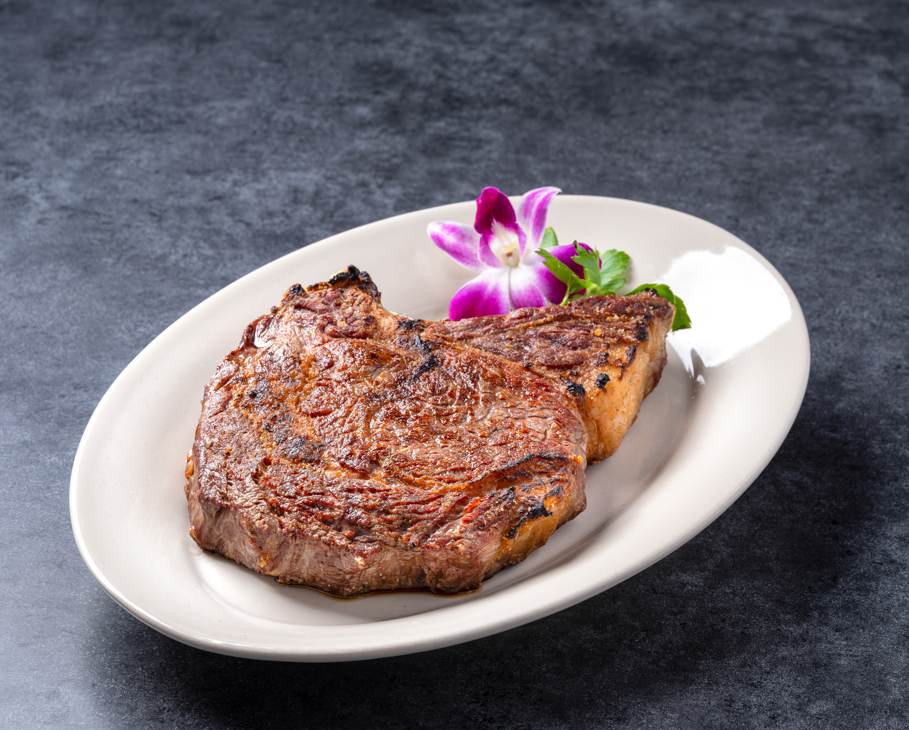
Resting the Roast
Once the roast reaches your target temperature, remove it from the oven and transfer it to a cutting board. Loosely tent it with aluminum foil and allow it to rest for 15 to 20 minutes before carving.
Resting is one of the most important steps in the process. During this time, the juices redistribute throughout the meat. If you slice the roast immediately, the juices will run out onto the cutting board instead of remaining inside the meat.
Allowing the roast to rest ensures every slice remains moist, tender, and flavorful.
Carving and Serving Like a Pro
After the resting period, it’s time to carve your prime rib.
Start by cutting along the bones to remove the entire roast from the rib rack. Then slice the meat across the grain into thick, even portions. Prime rib is traditionally served in generous slices, showcasing its juicy interior and beautifully browned crust.
For a classic presentation, serve prime rib with traditional accompaniments such as:
- Creamy horseradish sauce
- Au jus made from the pan drippings
- Roasted potatoes
- Yorkshire pudding
- Steamed vegetables or roasted carrots
These sides complement the richness of the beef while creating a balanced and satisfying meal.

Final Thoughts
Cooking prime rib at home may seem like a task reserved for professional chefs, but with the right preparation and technique, it can be surprisingly straightforward.
By choosing a high-quality roast, seasoning it simply, roasting it carefully, and allowing it to rest properly, you can create a restaurant-quality centerpiece in your own kitchen.
Whether you’re preparing it for a holiday feast, a dinner party, or simply to treat yourself to something special, a perfectly cooked prime rib is always an unforgettable culinary experience.