Found “Rice Grains” in Your Bed? Don’t Ignore Them — It Could Be a Warning You Can’t Afford to Miss
This morning started like any other. I woke up groggy, half-asleep, pulling the sheets back to make the bed when something caught my eye. Scattered near the edge of the mattress were tiny white grains. At first, I laughed it off. My husband has a habit of late-night snacking, and rice has a way of ending up everywhere. I almost brushed them onto the floor without a second thought.
But something made me stop.
These “grains” didn’t look quite right.
They were too uniform. Too shiny. And oddly… sticky.
I leaned closer.
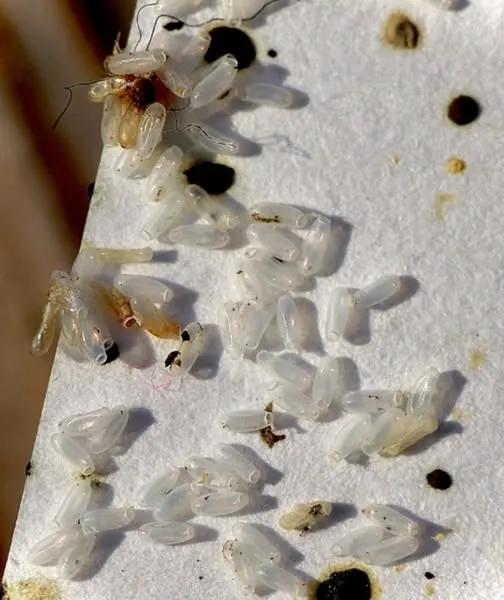
They were tiny and oval, about the size of sesame seeds. Not crumbly like food. Not translucent like salt. And then — one of them moved. Just slightly, but enough to make my stomach drop.
That’s when panic set in.
A few frantic searches later, my suspicion was confirmed. What I was looking at wasn’t food at all.
They were bedbug eggs.
Why Bedbug Eggs Are So Easy to Miss
Most people imagine bedbugs as crawling insects or itchy bites. Very few expect to find their eggs — and that’s exactly why infestations spread so quickly. Bedbug eggs are notoriously easy to overlook because they resemble everyday debris.
Bedbug eggs are typically:
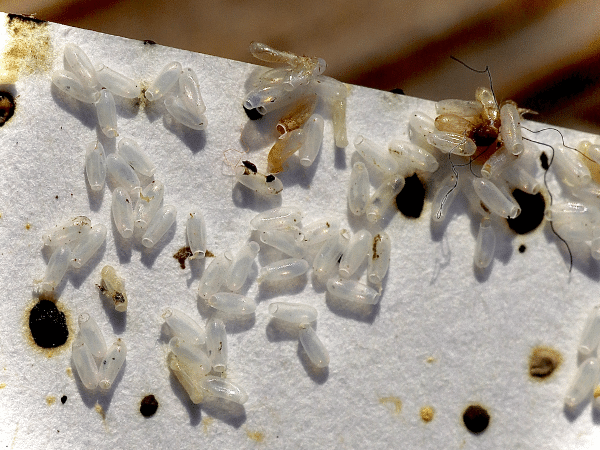
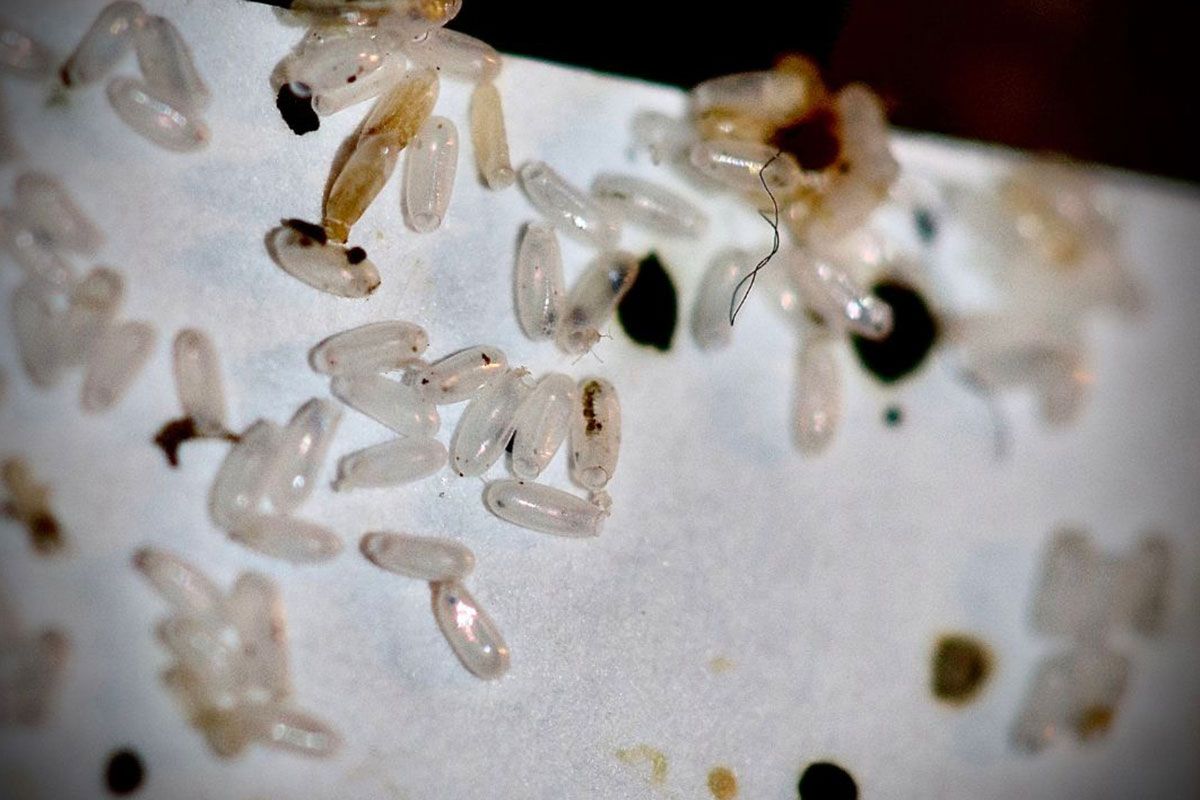
- White or pearly in color
- Shiny and slightly sticky, allowing them to cling to surfaces
- Roughly 1 millimeter long
- Oval-shaped, often compared to grains of rice
They’re rarely found alone. Females lay eggs in clusters, tucking them into hidden, protected spaces where they’re unlikely to be disturbed. That’s why beds are such a common location.
Common hiding spots include:
- Mattress seams and tags
- Cracks in the bed frame or headboard
- Inside box springs
- Along baseboards
- Behind loose wallpaper or picture frames
- Inside furniture joints
Because the eggs are glued into place with a sticky secretion, they don’t easily fall away. That’s why simply shaking out bedding often isn’t enough to remove them.
The Timeline That Makes Bedbugs So Dangerous
One of the most alarming things I learned is how fast bedbugs multiply. Bedbug eggs hatch in just 6 to 10 days. Once hatched, the tiny nymphs immediately begin feeding on blood. They don’t wait weeks. They don’t need to “grow first.” They start biting almost immediately.
A single female bedbug can lay hundreds of eggs in her lifetime. That means a small, unnoticed cluster can turn into a full-blown infestation in a matter of weeks.
And here’s the cruel part: you might not feel the bites right away.
Some people don’t react to bedbug bites at all, at least initially. Others develop itchy red welts days later. This delay often tricks people into thinking everything is fine — until the infestation is well established.
Why You Should Never “Wait and See”
It’s tempting to dismiss a few mysterious specks. Life is busy. Nobody wants to believe they have bedbugs. But waiting is exactly what allows them to take over.
While bedbugs aren’t known to transmit diseases, their impact on daily life can be severe.
Their bites can:
- Cause intense itching and inflammation
- Trigger allergic reactions in some people
- Become infected from scratching
Beyond the physical symptoms, the emotional toll is real. Knowing that insects may be feeding on you while you sleep can lead to anxiety, insomnia, and constant stress. Many people describe it as one of the most distressing home experiences they’ve ever had.
The longer bedbugs are left untreated, the harder — and more expensive — they are to eliminate.
What To Do Immediately If You Find Suspicious “Rice Grains”
Once I realized what I was dealing with, I knew hesitation wasn’t an option. Here are the steps I took right away — and what experts recommend.
1. Don’t panic, but don’t ignore it either
Panicking leads to rushed mistakes. Ignoring it leads to infestations. Stay calm, but act decisively.
2. Vacuum thoroughly
Use a vacuum with strong suction and go over:
- Mattress seams and edges
- Bed frame joints
- Headboards
- Baseboards and nearby furniture
Seal the vacuum bag immediately after and dispose of it outside your home.
3. Wash everything on high heat
All bedding, pillows, clothes, and fabrics near the bed should be washed at 60°C (140°F) or higher. Heat is one of the few things bedbugs cannot survive.
4. Use steam if possible
Steam cleaners reach temperatures lethal to bedbugs and their eggs. Carefully steam mattresses, upholstery, and cracks where eggs may be hiding.
5. Inspect surrounding areas
Check nightstands, couches, luggage, curtains, and even electrical outlets near the bed. Bedbugs spread easily.
6. Call a professional exterminator
This step is crucial. DIY methods rarely eliminate all eggs. Professionals have access to treatments that ensure the entire life cycle is disrupted.
Why Overreacting Is Better Than Regretting It
Looking back, I shudder to think how close I came to brushing those eggs aside and going about my day. Within a week, I could have been dealing with bites, sleepless nights, and a much larger problem.
Bedbugs thrive on denial.
They rely on the assumption that “it’s probably nothing.” They exploit hesitation. By the time many people act, the infestation is already well established.
If you ever wake up and find tiny white “rice grains” in your bed — pause. Look closer. Take it seriously.
Don’t guess.
Don’t wait.
Check. Clean. Call.
Because when it comes to bedbugs, early action can save you months of stress, discomfort, and costly treatments. And trust me — this is one household nightmare you never want to experience twice.