Remaining Time -8:23Picture-in-PictureFullscreen
You buckle up every day almost without thinking. A quick click, a small tug to tighten the belt, and you’re ready to start driving. For most of us, fastening a seat belt has become such a routine habit that we rarely stop to look closely at the belt itself or notice the small details built into it.
Yet the seat belt is one of the most important safety systems in any vehicle. Since its widespread adoption, it has saved millions of lives around the world and dramatically reduced the severity of injuries during car accidents. Engineers have spent decades refining its design so that it can protect passengers in the most dangerous moments.
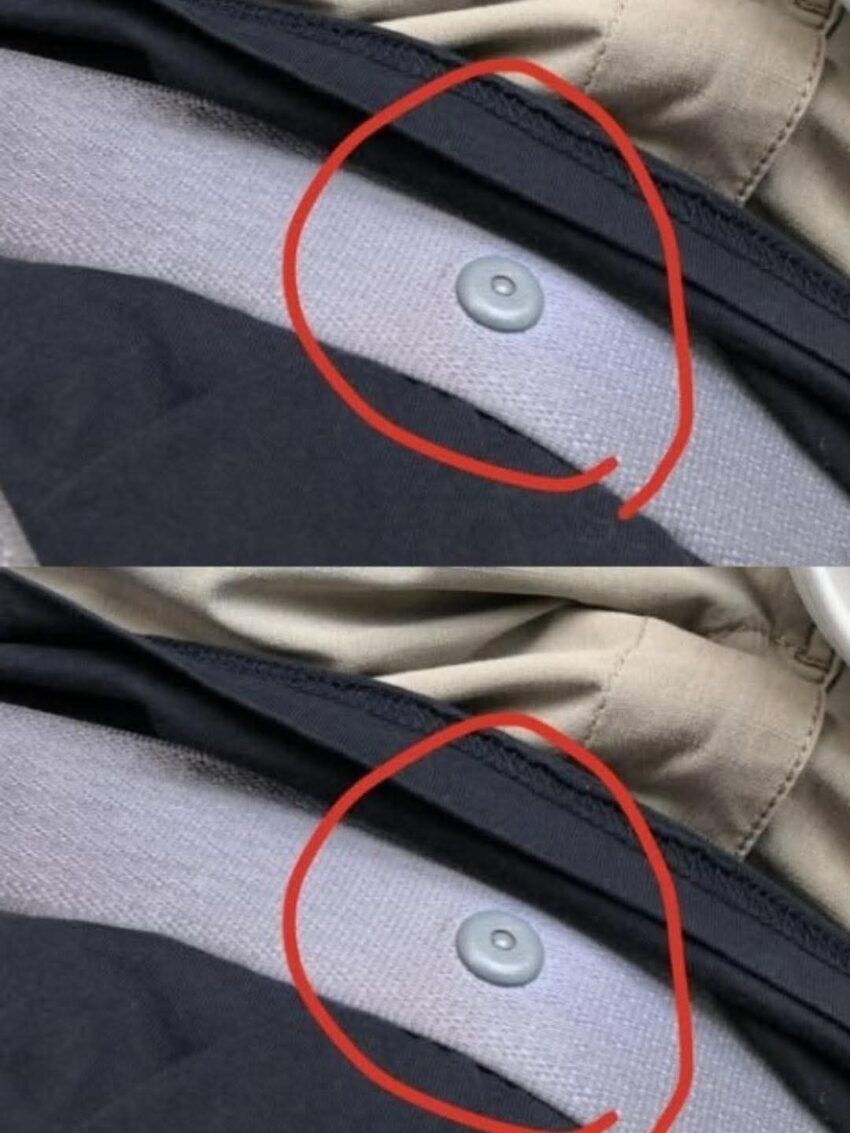
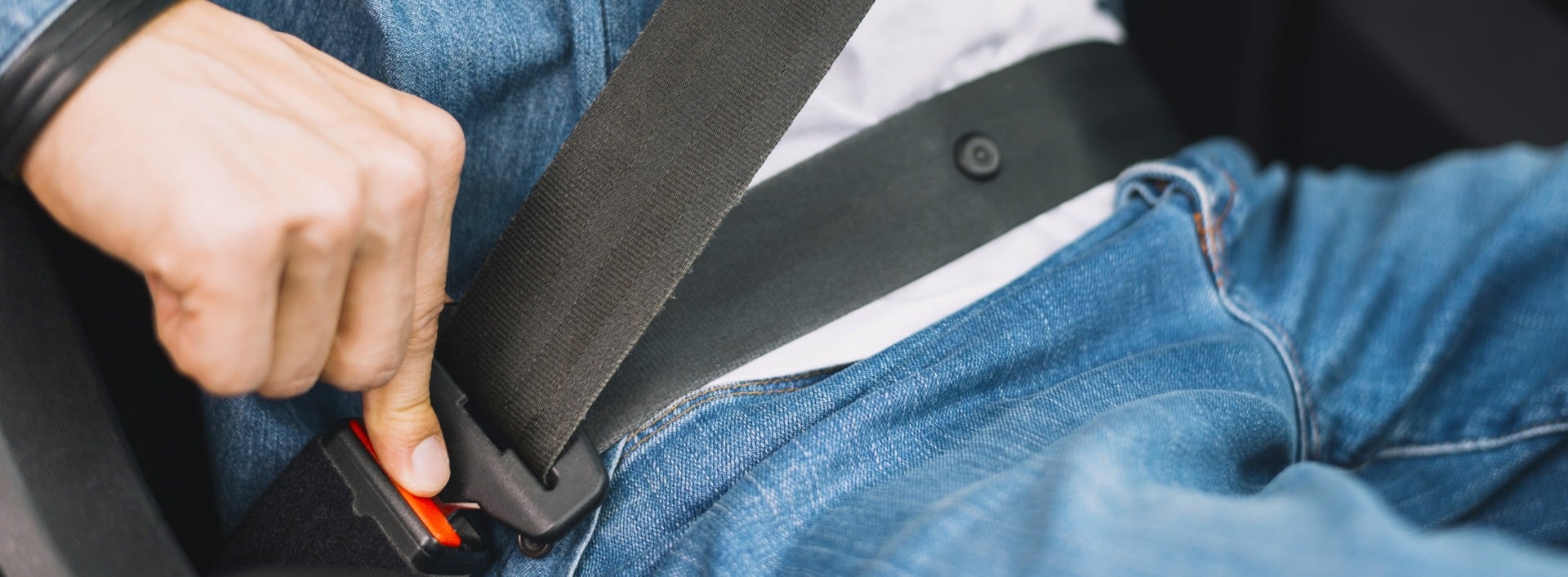
But if you look closely at the shoulder strap of your seat belt, you might notice a small, round button attached to the belt itself. It’s usually the same color as the fabric and blends in so well that many drivers never pay attention to it. Some people assume it’s simply a decorative detail or a minor clip that holds something in place.
In reality, that tiny button serves a very specific and important purpose.

According to many experienced mechanics and automotive safety experts, this small component is part of a system designed to keep the seat belt functioning exactly as intended. Without it, the belt could slide too far down or move out of position, which could reduce its effectiveness during sudden braking or a collision.
The small round piece is often referred to as a seat belt stopper or belt guide button. Its main function is surprisingly simple but extremely important: it prevents the metal latch plate—the piece you insert into the buckle—from sliding all the way down to the floor when the belt is not in use.
Imagine what would happen if that button were not there. Each time you unbuckled the seat belt, the latch would slide down the strap and fall near the bottom of the seat. Drivers and passengers would have to reach down to the floor to grab it every time they wanted to buckle up. This might seem like a minor inconvenience, but in reality it could discourage people from wearing their seat belt consistently.
By keeping the latch positioned higher on the strap, the button ensures that the buckle remains within easy reach. This small detail makes it quicker and easier for people to fasten their seat belts properly every time they enter the vehicle.
The button also helps maintain proper alignment of the belt. When the latch stays in the correct position, the belt naturally rests across the chest and shoulder as designed. This positioning is essential because a seat belt works by distributing the force of a crash across the strongest parts of the body—the chest, shoulders, and pelvis.
If the belt sits incorrectly, such as across the neck or under the arm, it cannot protect the body effectively. In some cases, improper positioning can even increase the risk of injury during a crash.
Another benefit of the stopper button is that it prevents wear and tear on the belt system. When the metal latch constantly slides up and down the strap, it can cause unnecessary friction and stress on the fabric. Over time, this could weaken the belt or damage the mechanism that retracts it into the car’s frame.
By holding the latch in a fixed position, the small button reduces that movement and helps the belt system last longer.
Many drivers never realize how important this tiny component is until it breaks or falls off. When that happens, the latch plate begins sliding down the strap every time the belt is released. People often find themselves reaching awkwardly toward the floor to grab the buckle, which can quickly become frustrating.
While it may seem like a small issue, automotive safety experts recommend fixing or replacing the stopper if it becomes damaged. Even minor components in a vehicle’s safety system are designed to work together, and removing one piece can affect how the entire system functions.

What makes this small button fascinating is how it represents a larger principle in automotive design: sometimes the smallest parts play a crucial role in safety. Engineers spend years studying accidents, human behavior, and ergonomics to ensure that drivers and passengers can use safety systems easily and correctly.
If a seat belt is difficult or inconvenient to use, people may skip wearing it altogether. By making the buckle easy to reach and keeping the belt properly positioned, the stopper button quietly encourages safer behavior every time someone gets into a car.
So the next time you buckle your seat belt, take a moment to notice that tiny round button on the strap. It may look insignificant, but it is part of a carefully engineered system designed to protect you in one of life’s most dangerous situations.
In the world of vehicle safety, every detail matters—even the ones most people never notice. Sometimes, the smallest components play a big role in keeping drivers and passengers safe on the road every day.