

Photography has the incredible ability to capture moments that appear completely ordinary at first glance but become surprisingly funny, confusing, or fascinating after a closer look. Sometimes, a perfectly timed angle, unusual shadow, or accidental background detail creates an illusion that tricks the human eye into seeing something entirely different from reality. These unexpected images often become viral online because they challenge perception and make viewers pause for a second look.
Many of the world’s most memorable “trick photos” are not edited with special effects or advanced technology. Instead, they happen naturally when lighting, timing, perspective, and coincidence align perfectly. A single snapshot can transform an everyday situation into something humorous, mysterious, or visually unbelievable without altering the image digitally. Perspective plays one of the biggest roles in creating optical illusion photographs.

The position of the camera compared to the objects inside the frame can dramatically change how viewers interpret an image. A small object close to the camera may appear enormous, while larger objects farther away can seem tiny or distorted. Photographers often intentionally experiment with forced perspective to create entertaining visual illusions. Tourists pretending to hold famous landmarks in their hands or appear taller than buildings are common examples. However, some of the funniest images occur completely by accident, making them feel even more authentic and surprising.
Lighting also has a powerful influence on how photographs are perceived. Shadows can hide details, exaggerate shapes, or blend separate objects together in unexpected ways. Bright sunlight, reflections, or unusual indoor lighting may create effects that confuse the eye and produce images that appear impossible at first glance.

In many viral photographs, viewers initially misunderstand what they are seeing because the brain naturally tries to interpret visual information quickly. Human perception depends heavily on patterns and assumptions. When a picture interrupts those expectations, the result can become both amusing and memorable.
One classic example involves photos where body parts seem to belong to the wrong person. A carefully timed image might make someone appear to have unusually long arms, tiny legs, or extra limbs because another person in the background aligns perfectly with the foreground subject. These accidental illusions are harmless but incredibly entertaining.
Beach photos are especially famous for creating visual confusion. Swimsuits, towels, shadows, and overlapping bodies can easily produce optical illusions that look strange or funny from certain angles. In many cases, viewers need several seconds before realizing what the image actually shows.
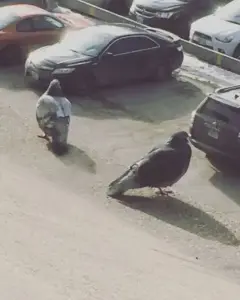
Beards and hairstyles also contribute to some hilarious misunderstandings in photography. When a bearded person tilts their head upward, the beard may blend with shadows or necklines, creating bizarre effects that distort facial features. These moments often become internet favorites because they appear unintentionally surreal.
Animals frequently appear in trick photography as well. Birds flying close to the camera can seem enormous compared to people standing farther away. Pets positioned in unusual ways may appear to have human expressions or exaggerated body proportions because of timing and perspective alone.
Some photographs become famous because they perfectly capture coincidence. A passing cloud may align with a building to resemble smoke, or a tree branch may appear to grow directly from someone’s head. These small visual accidents create moments that seem staged despite being completely natural.

One reason optical illusion photography remains so popular is because it encourages viewers to interact with the image. People enjoy trying to figure out what they are actually seeing. The confusion creates curiosity, and curiosity keeps audiences engaged longer than ordinary photographs.
Social media platforms have amplified the popularity of these images dramatically. Millions of users share funny or confusing photos every day, challenging friends and followers to identify hidden details or understand unusual perspectives. This interactive experience helps illusion photography spread rapidly online.
Many photographers intentionally search for locations where perspective can produce unusual effects. Tourist attractions, mirrors, reflective surfaces, crowded streets, and architectural landmarks often provide ideal opportunities for creating surprising compositions that challenge visual expectations.
Reflection photography is another common source of optical illusions. Windows, mirrors, water surfaces, and polished floors can merge multiple scenes together into a single frame. Reflections sometimes create ghostlike figures, duplicated objects, or scenes that appear physically impossible.

Timing is equally important in successful trick photography. A fraction of a second can completely change an image. A jumping person captured at the perfect moment may appear to float in the air, while a moving animal might accidentally line up with another subject to form a bizarre illusion.
Children are often especially fascinated by optical illusion images because they naturally approach visual puzzles with curiosity and imagination. These photos encourage observation skills and demonstrate how easily perspective can influence the way people interpret reality.
Professional photographers sometimes spend hours waiting for the perfect alignment of subjects, light, and movement. However, many iconic illusion photos are spontaneous accidents captured by ordinary people using smartphones or simple cameras during daily life.
Nature itself creates countless opportunities for visual illusions. Clouds can resemble animals or faces, rock formations may appear human, and sunsets can distort colors dramatically. Human brains instinctively search for familiar shapes, even when those shapes are purely coincidental.
Urban environments also provide endless possibilities for confusing photography. Street signs, advertisements, reflections, and crowded backgrounds often combine unexpectedly inside a single frame. A carefully timed photograph in a busy city can create scenes that appear almost unreal.
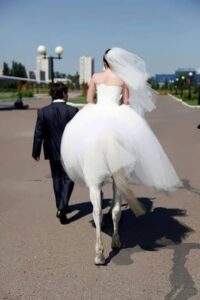
Humor is one of the main reasons people enjoy these images so much. A harmless misunderstanding caused by perspective can instantly make viewers laugh once they recognize the truth behind the illusion. The surprise element makes the experience more memorable and enjoyable.
Internet culture has turned optical illusion photos into a major form of entertainment. Entire websites and social media pages are dedicated to collecting images that confuse the eye or require multiple looks to understand properly. These communities celebrate creativity, timing, and accidental humor.
Some illusion photographs become controversial when viewers initially misinterpret them. An innocent image may appear inappropriate or shocking until the full context becomes clear. Because of this, perspective can dramatically influence emotional reactions before the brain processes the actual scene accurately.
Despite modern editing technology, authentic unedited illusion photos often attract the most attention. People are fascinated by naturally occurring visual tricks because they reveal how imperfect and subjective human perception can sometimes be.
Psychologists have long studied why optical illusions confuse the brain. Human vision constantly interprets depth, scale, shadows, and movement based on previous experiences. When a photograph presents conflicting information, the brain struggles briefly before identifying the correct explanation.
Many illusion photos highlight the importance of context. Cropping, camera angle, and framing can completely alter the meaning of an image. What appears strange or impossible from one perspective may seem entirely normal when viewed from another angle.
Travel photography frequently includes playful forced perspective images. Tourists often pose as though they are holding monuments, balancing objects, or interacting with distant landmarks. These creative compositions demonstrate how perspective can transform ordinary vacation pictures into entertaining memories.
Animals accidentally creating illusions remain among the internet’s favorite photography moments. A dog positioned behind someone may appear to have a human body, while a bird flying at the perfect moment can seem gigantic compared to nearby people.
Sports events also generate countless accidental illusion photographs. Fast movement, overlapping athletes, and unusual camera angles can create confusing scenes where bodies appear distorted or equipment seems to float unnaturally through the air.
Even weddings and family gatherings sometimes produce funny illusion images unintentionally. A misplaced hand, overlapping pose, or poorly timed expression can create humorous misunderstandings that become unforgettable stories shared for years afterward.
Photography reminds people that reality depends heavily on perspective. Two individuals looking at the same image may notice entirely different details at first glance. This subjectivity makes illusion photography especially engaging because viewers enjoy comparing interpretations with others.
Technology has made high quality cameras accessible to millions of people worldwide. As a result, accidental optical illusions are captured more frequently than ever before. Everyday moments now have the potential to become viral internet sensations within hours.
Creative photographers often use mirrors, water, glass, and shadows intentionally to build artistic illusions. These techniques can transform simple portraits into imaginative compositions that blur the line between reality and visual storytelling.
While some trick photos are carefully planned, accidental ones often feel more genuine and entertaining. Their unpredictability adds charm because viewers know the photographer likely did not expect the surprising final result.
Certain illusion photographs become famous because they challenge logic immediately. Viewers may stare repeatedly at the image before finally understanding the scene correctly. That moment of realization creates satisfaction and often leads people to share the image with others.
Perspective illusions also demonstrate how easily the human brain can be misled by incomplete information. A single frozen moment may hide important details that would become obvious in motion or from another viewpoint.
The popularity of illusion photography continues growing because it combines humor, curiosity, creativity, and psychology into one simple experience. These images encourage people to slow down, observe carefully, and question their first impressions.
Ultimately, trick photography proves that extraordinary images do not always require expensive equipment or digital manipulation. Sometimes, all it takes is perfect timing, an unusual angle, and a little coincidence to create a picture that leaves millions of viewers confused, entertained, and amazed.