The Reality of Ravine Infrastructure Disasters
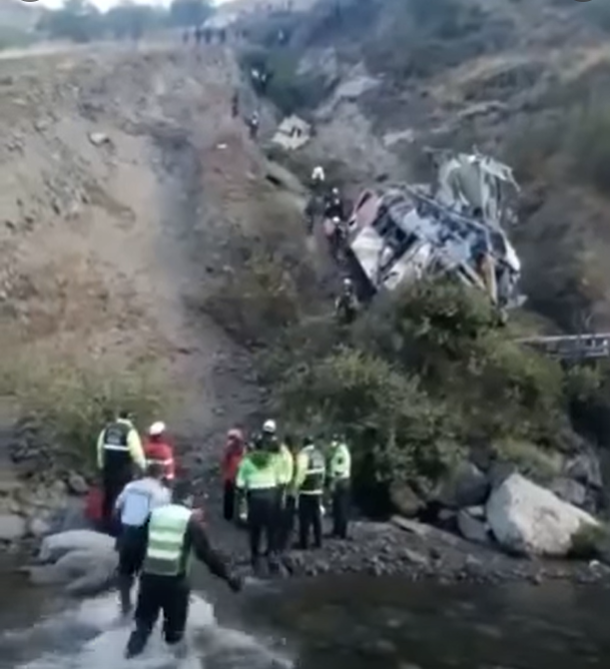
Mountainous travel offers breathtaking views but also presents some of the most dangerous driving conditions in the world. A recent devastating video captures the grim reality of these risks as a massive passenger bus lies completely wrecked on a steep, rocky slope. The vehicle appears to have plunged down a treacherous cliffside, coming to a halt just above a fast-flowing river. Such catastrophic accidents highlight the urgent need for stricter safety protocols on high-altitude roads globally. Every year, thousands of commuters rely on long-distance buses to navigate narrow, winding mountain passes. Unfortunately, unpredictable weather and difficult terrain can quickly turn a routine journey into a life-threatening disaster. The chilling footage serves as a stark reminder of how vulnerable large transport vehicles are on unstable ground. When a heavy vehicle loses control on an incline, the gravitational force drastically increases the severity of the impact. For families and communities affected by these tragedies, the consequences are often deeply devastating and long-lasting. Investigating the root causes of these incidents is crucial for preventing future traffic disasters in remote areas.
Understanding the Mechanics of Ravine Bus Crashes
Several critical factors contribute to the high frequency of bus accidents in rugged mountainous regions. Severe soil erosion and frequent landslides can compromise the structural integrity of cliffside roads without warning. Furthermore, sharp hairpin turns require extreme precision and absolute alertness from commercial drivers at all times. Brake failure is another leading cause of accidents when heavy buses descend steep slopes for extended periods. Continuous braking generates immense heat, which can rapidly diminish the mechanical stopping power of the vehicle. Additionally, poor road maintenance and a lack of proper guardrails exacerbate the dangers on these routes. Without sturdy barriers, a minor steering error can easily result in a vehicle tumbling down a ravine. Overloading buses with excessive passenger numbers or heavy cargo also severely destabilizes the vehicle’s center of gravity. High winds and sudden fog further reduce visibility, making navigation incredibly hazardous for even experienced operators. Addressing these mechanical and environmental variables is the first step toward improving overall road safety.
The Crucial Role of Emergency First Responders
In the aftermath of a cliffside crash, emergency rescue teams face an incredibly hostile and challenging environment. The video clearly illustrates first responders in high-visibility vests bravely navigating a rocky, rushing river to reach survivors. Deploying personnel and medical equipment to a remote ravine requires immense coordination under extreme time pressure. Often, unstable mud and loose rocks threaten to cause secondary slides, putting rescuers at immense personal risk. Specialized equipment, including ropes, stretchers, and heavy cutting tools, must be carefully transported down the slope. Local police officers and emergency medical technicians must work seamlessly together to stabilize victims before extraction. Wading through cold, turbulent river water adds another layer of physical exhaustion to an already grueling operation. Establishing a secure perimeter and a safe extraction path up the steep incline is vital for a successful mission. The bravery displayed by these first responders during such crises is undeniably heroic and commendable. Investing in advanced training and specialized rescue gear for rural emergency departments is absolutely essential.
Essential Safety Measures for Mountainous Transport
Implementing comprehensive safety regulations can significantly reduce the occurrence of fatal transit accidents. Transportation companies must enforce strict mandatory maintenance schedules to ensure every bus is completely roadworthy. Installing advanced auxiliary braking systems, like retarders, can prevent traditional brakes from overheating on downhills. Furthermore, specialized training programs should be mandatory for all drivers operating on high-risk mountain routes. Government authorities need to prioritize the installation of reinforced steel guardrails along notorious cliffside sections. Utilizing modern geological monitoring technology can help engineers detect early signs of roadbed instability and potential landslides. Enforcing strict weight limits on passenger vehicles ensures that buses remain stable during sharp maneuvers. Additionally, introducing digital speed limiters can prevent drivers from traveling at unsafe velocities down steep grades. Regular safety audits of transport companies can help identify and eliminate negligent practices before disasters happen. Public awareness campaigns can also educate travelers on choosing licensed, reputable transit operators for their journeys.
Conclusion: A Commitment to Transit Safety
Improving safety on mountainous highways requires a continuous, multi-faceted approach from both governments and private corporations. While rugged terrains will always pose natural challenges, human error and mechanical failure can be minimized. The tragic scene of the wrecked bus by the river reminds us of the high cost of transportation negligence. Infrastructure development must keep pace with the growing demand for tourism and commerce in remote regions. Every structural upgrade to a dangerous highway represents a direct investment in saving human lives. As technology advances, smarter vehicle safety systems will hopefully become standard across the global transit industry. Until then, strict enforcement of existing traffic laws remains our most reliable tool for accident prevention. The dedication of rescue workers highlights the resilience of communities coming together during terrible tragedies. By analyzing these unfortunate events, policymakers can develop much better strategies for future transit safety. Ultimately, ensuring that every passenger reaches their destination safely must remain the highest priority for global transportation networks.