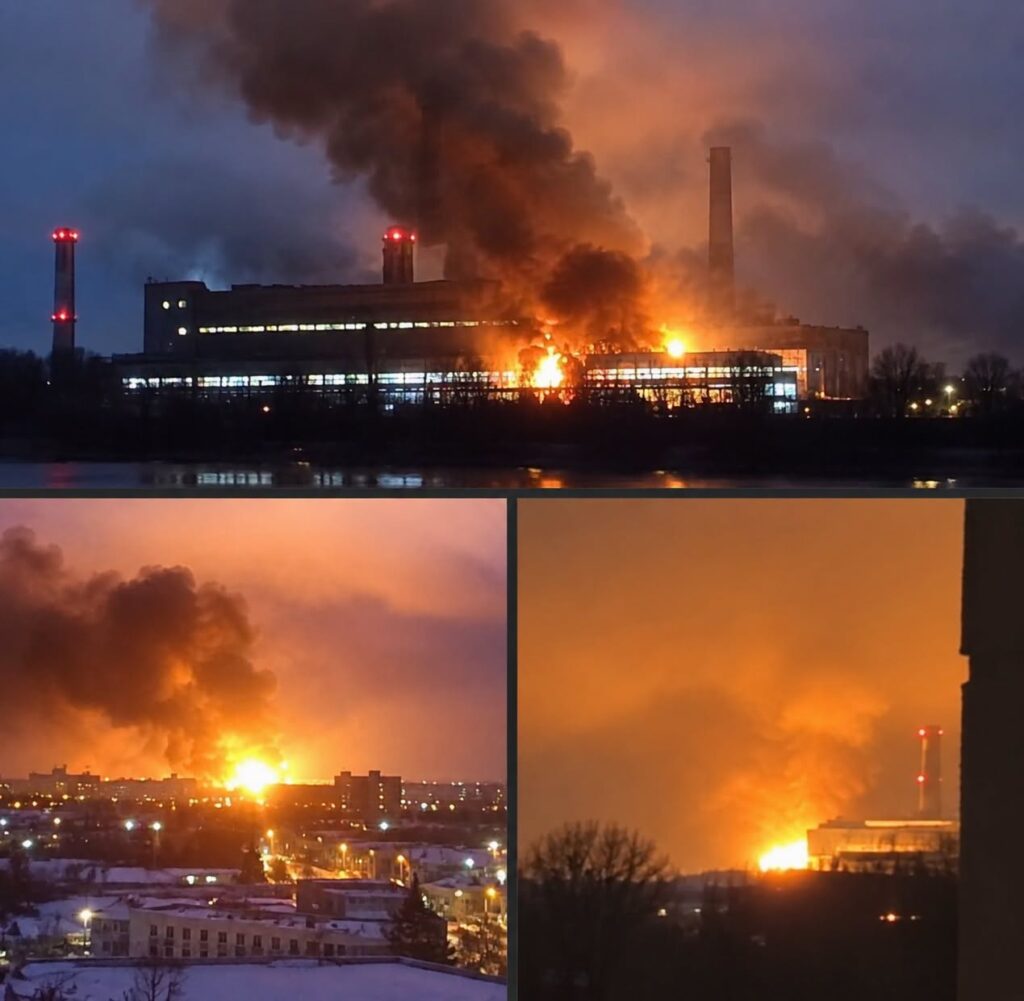
When that sudden “global alert” hijacks your screen, it feels like the world just tilted. Your heart jumps. Your mind races to the worst-case scenario before you’ve even read the fine print. In an age of war headlines and economic fear, a single word like “precautionary” can sound like code for someth…
A “precautionary” global alert is rarely a prophecy of disaster; it’s usually a seatbelt, not a collision. Civil defense tests, temporary airspace advisories, regional tensions, or disaster-preparedness drills often trigger these notices. The intent is: “Be aware and ready if needed,” not “Something terrible is happening right now.” What’s changed is not the alerts themselves, but the environment they land in—social feeds primed for panic, news cycles hungry for drama, and group chats where speculation outruns facts in seconds.
The real danger is how fast misinterpretation spreads. Fearful screenshots, dramatic captions, and half-heard rumors can create a crisis mood where none exists. The most grounded response is boring but powerful: read the alert fully, check official channels, follow any clear instructions, and ignore anonymous “insider” takes. Global tension is real, but a single precautionary alert is almost always a reminder to stay informed—not a countdown to catastrophe.