Strange Dark Object Found in Luggage May Actually Be a Traditional Food Carried Across Borders
It Can Look Almost Impossible to Identify
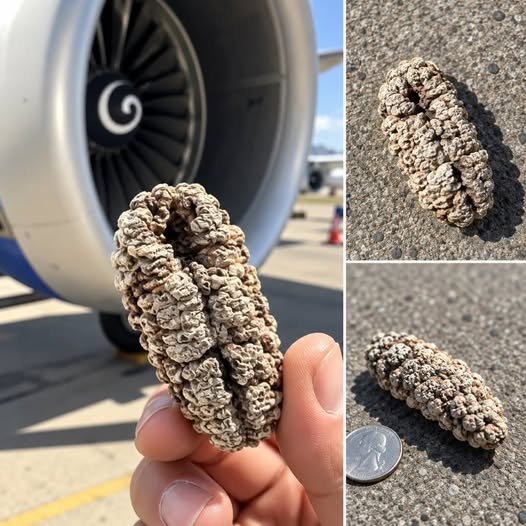
At first glance, the object can appear mysterious.
It may be dark, wrinkled, hardened, and unlike anything most travelers would immediately recognize as food.
Yet what looks unusual or even concerning may simply be a dried sea cucumber.
Sea cucumbers are marine animals that have been eaten for generations in a number of Asian cuisines. After being cleaned and preserved through drying, their appearance changes dramatically.
The result can look very different from the living animal found on the ocean floor.
Why Sea Cucumber Is Dried
Drying is traditionally used to preserve sea cucumber for storage and transportation.
Once moisture has been removed, the animal becomes much smaller, firmer, darker, and heavily wrinkled.
This preserved form can remain suitable for later preparation when stored appropriately.
Before cooking, dried sea cucumber is generally rehydrated through soaking.
The process allows it to absorb water and regain a softer texture before being added to meals.
It Is Used in Traditional Cooking
Sea cucumber has a long culinary history and is valued in a variety of traditional dishes.
Depending on the cuisine and preparation method, it may be served in soups, braised dishes, stews, or other carefully prepared meals.
Its appeal is not necessarily based on a strong flavor.
Instead, sea cucumber is often appreciated for its distinctive texture and its ability to absorb the flavors of sauces, broths, and accompanying ingredients.
Because dried sea cucumber can require considerable preparation before cooking, it may also be associated with special meals and traditional occasions.
Why It Might Be Found in Someone’s Luggage
Travelers frequently carry familiar foods when moving between countries, visiting relatives, or returning home from abroad.
To someone unfamiliar with dried seafood, preserved sea cucumber can look strange enough to cause confusion.
For the person carrying it, however, it may represent nothing more unusual than an ingredient connected to family cooking and cultural tradition.
That contrast is what makes such discoveries so surprising.
An item that looks mysterious to one person can be immediately familiar to another.
Its Appearance Changes During Processing
Fresh sea cucumbers typically have elongated, soft bodies.
Drying removes much of their water content and significantly alters their shape and texture.
The surface becomes deeply wrinkled, and the body may shrink into a compact, rigid form.
The final appearance can vary depending on the species and the way it was processed.
That is why someone seeing a dried sea cucumber for the first time may not realize it is a preserved food product.
Preparation Takes Time
Dried sea cucumber is not normally eaten directly from its preserved state.
It must first be soaked and carefully prepared.
Rehydration can take time because the dried tissue needs to absorb enough water to soften again.
Once prepared, it can be incorporated into soups and other cooked dishes.
The transformation from a hard, dark preserved object into a soft culinary ingredient can be dramatic.
What About the Health Claims?
Sea cucumber contains protein, collagen-related components, and a range of naturally occurring compounds that have attracted scientific interest.
Researchers have examined some of these compounds for possible biological effects.
However, traditional reputation and laboratory interest should not be confused with proof of dramatic medical benefits.
Claims that sea cucumber can cure serious diseases or provide extraordinary health effects are not established simply because certain compounds have been studied.
Like many traditional foods, it can be part of a diet without needing exaggerated claims attached to it.
A Food With Cultural Meaning
For many families, foods carried across borders are about more than nutrition.
They can represent memories, family habits, celebrations, and a connection to home.
Dried ingredients are especially practical for travel because preservation can make them easier to store and transport.
That means an unusual-looking item in a suitcase may have a perfectly ordinary explanation within the culture of the person carrying it.
Why Context Matters
Finding an unfamiliar object often encourages people to assume the most dramatic explanation first.
Food traditions are a good reminder that appearance can be misleading.
A dark, wrinkled object may look strange because the observer has never encountered that type of preserved food before.
To someone who grew up with it, the same object may immediately suggest a familiar soup or family meal.
From the Ocean to the Dinner Table
The journey of sea cucumber from the ocean to a kitchen can involve cleaning, drying, storage, rehydration, and lengthy cooking.
Each stage changes its appearance.
By the time it reaches a suitcase or pantry shelf, very little about it may resemble the living marine animal.
That is part of what makes dried sea cucumber so visually surprising to people encountering it for the first time.
Sometimes the Simple Explanation Is the Right One
Not every mysterious object discovered during travel has a dramatic story behind it.
Sometimes it is simply food.
In the case of dried sea cucumber, an unusual appearance can hide a long culinary history and a strong connection to traditional cooking.
What looks strange from the outside may actually be a small piece of culture, family tradition, and home being carried from one place to another.