Blogging Jennie — January 8, 2026

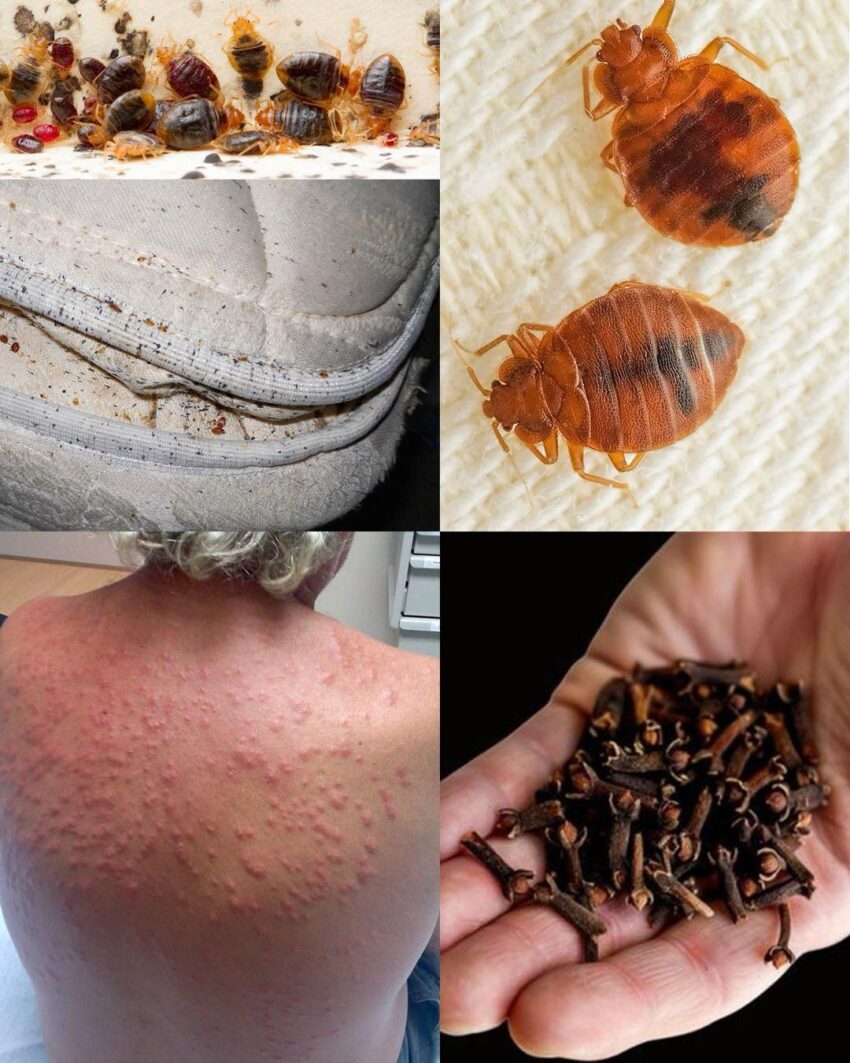
Bed bugs are one of the most frustrating household pests. They hide in mattresses, furniture, and tiny cracks, coming out at night to feed and leaving behind itchy, irritating bites. While professional extermination is often the most effective solution, many people look for natural methods to help control infestations—especially in the early stages. One commonly discussed option is cloves, a spice known for its strong scent and natural insect-repelling properties.
Below, we’ll explore how cloves may help deter bed bugs, how to use them safely, and what to realistically expect from this method.

Why Cloves Are Thought to Repel Bed Bugs
Cloves contain eugenol, a compound with a powerful aroma that many insects find unpleasant. Eugenol is commonly used in natural pest deterrents and has mild insecticidal and repellent properties.
While cloves won’t instantly eliminate a full infestation, they may:
- Help repel bed bugs from treated areas
- Reduce bug activity when used consistently
- Support other control methods as part of a broader strategy
Clove Spray: A Natural Bed Bug Repellent
One of the most popular ways to use cloves is in a homemade spray.
How to prepare:
- Boil the water and add the cloves
- Simmer for 10–15 minutes
- Let cool, then strain the liquid
- Pour into a spray bottle
- (Optional) Add vinegar for extra deterrent effect
How to use:
- Spray along mattress seams, bed frames, baseboards, cracks, and furniture joints
- Avoid soaking fabrics—light misting is enough
- Reapply daily or every other day
Always test on a small area first to avoid staining.

Using Whole Cloves to Deter Bed Bugs
Whole cloves can be placed in strategic areas to help repel bed bugs naturally.
Best placement areas:
- Under mattress corners
- Inside pillowcases (in small fabric sachets)
- Along bed legs and headboards
- In dresser drawers or closet corners
Replace cloves every 1–2 weeks as the scent fades.
Clove Oil: Stronger but Use With Caution
Clove essential oil is more concentrated and should always be diluted.
Diluted clove oil spray:
- 10 drops clove essential oil
- 1 cup water
- 1 teaspoon alcohol or mild dish soap (as an emulsifier)
Shake well before use. Spray lightly on hard surfaces only—avoid direct skin contact and delicate fabrics.
What Cloves Can—and Cannot—Do
Cloves may help:
- Repel bed bugs from certain areas
- Reduce activity in mild or early infestations
- Support prevention after treatment
Cloves cannot:
- Kill all bed bugs or eggs
- Eliminate heavy infestations on their own
- Replace professional extermination
Bed bugs reproduce quickly and hide deeply, making complete elimination difficult with natural remedies alone.
Essential Steps to Combine With Clove Treatment
For best results, combine clove use with proven bed bug control methods:
- Wash bedding and clothing in hot water and dry on high heat
- Vacuum mattresses, bed frames, and cracks daily
- Encase mattresses and pillows in bed bug–proof covers
- Reduce clutter where bugs can hide
- Seal cracks and crevices
When to Call a Professional
If bites continue, bugs are visible during the day, or the infestation spreads despite home efforts, professional pest control is essential. Early intervention can prevent a small problem from becoming a costly one.
Final Thoughts
Cloves can be a helpful natural deterrent thanks to their strong aroma, but they work best as part of a larger bed bug management plan—not as a standalone cure. Used consistently and safely, clove-based remedies may help reduce activity while you take more effective steps toward eliminating bed bugs for good.