Phoebe Cates became one of the most recognizable faces of American cinema during the early 1980s. With a magnetic presence that combined intelligence, warmth, and effortless charm, she quickly stood out in an industry overflowing with aspiring stars. Her rise was rapid, and her impact was deep. But unlike many of her peers, Cates made a conscious and deeply personal decision to step away from Hollywood at the height of her fame—a choice that would come to define her legacy just as much as her on-screen performances.

Born on July 16, 1963, in New York City, Phoebe Belle Cates was no stranger to the world of entertainment. Her father, Joseph Cates, was a prominent Broadway producer and a pioneering force in television, exposing her early on to both the glamour and grit of show business. Cates initially found success in modeling thanks to her striking looks and confident demeanor, gracing magazine covers and campaigns with ease. Yet, modeling was never her end goal. Her passion was dance, and she pursued it seriously by enrolling at the prestigious Juilliard School. Unfortunately, an injury derailed her dreams of becoming a dancer, prompting her to explore acting—a field that would allow her to blend physical expression with emotional storytelling.
Her transition into acting proved seamless, and in 1982, she landed the role that would skyrocket her to fame. In Fast Times at Ridgemont High, Cates portrayed Linda Barrett, a role that would become iconic in American teen cinema. The film stood out for its authentic depiction of adolescence, mixing humor, heartbreak, and coming-of-age themes. Cates’ performance brought a mix of confidence and emotional complexity that challenged the typical portrayals of young women in film at the time. Rather than playing a shallow stereotype, she added depth and realism to her character, helping reshape how young female characters were presented on screen.
Following this breakout role, Cates continued to build a film career marked by diversity and integrity. She avoided being pigeonholed into one genre or archetype, opting instead to take on roles in comedies, dramas, and family films. One of her most celebrated performances came in 1984 with Gremlins, where she played Kate Beringer. The movie’s unique blend of horror, humor, and holiday cheer became a cultural phenomenon, and Cates anchored it with a performance that was both grounded and emotionally resonant. She reprised the role in Gremlins 2: The New Batch in 1990, one of her last major film appearances.
What made Cates truly stand apart, however, was her attitude toward fame. In an era dominated by relentless publicity, media appearances, and tabloid coverage, she maintained a low profile. She rarely gave interviews and preferred to let her work speak for itself. For Cates, fame was never the goal—it was a byproduct of doing what she loved. She often spoke about her love for theater, where the focus remained on craft and storytelling rather than stardom. As she matured, she also became increasingly aware of the limited opportunities for women in Hollywood, especially those who aged out of the “ingenue” roles. This awareness influenced her eventual decision to step away.
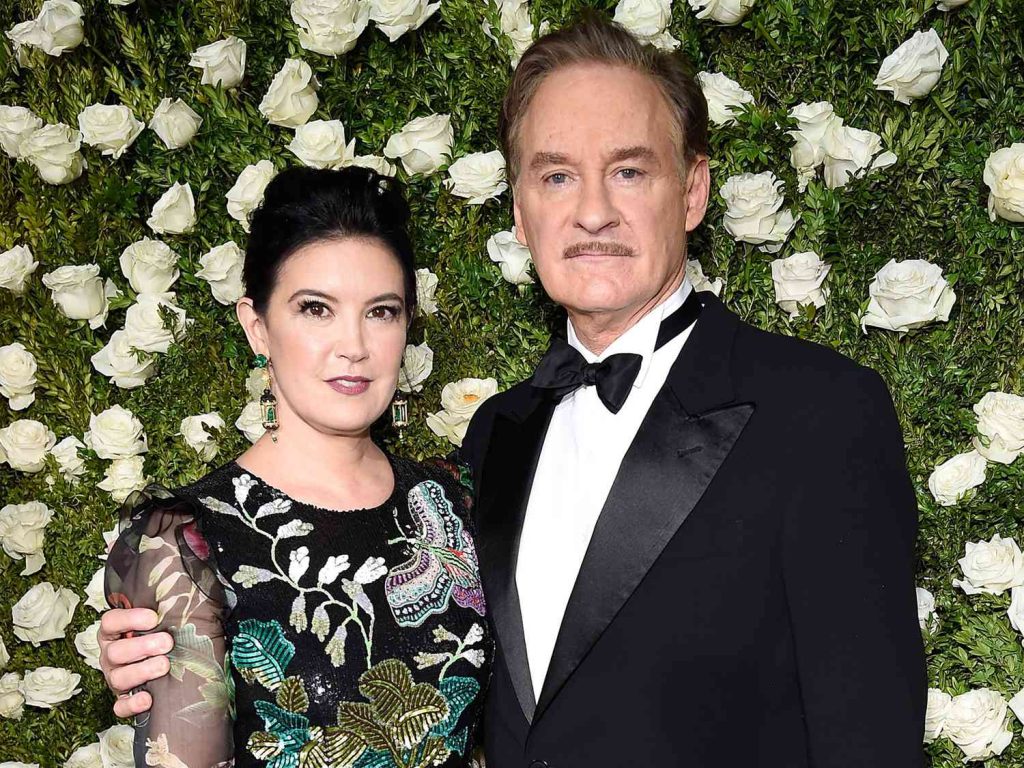
In 1989, Cates married actor Kevin Kline, a respected and versatile performer with a strong background in both film and theater. Their relationship was refreshingly stable and grounded, particularly by Hollywood standards. As they began raising a family, Cates reassessed her priorities. Rather than trying to juggle a demanding film career with motherhood, she chose to focus fully on her family life. This transition was not abrupt, nor was it caused by scandal or professional decline. It was a thoughtful, intentional choice rooted in her values.
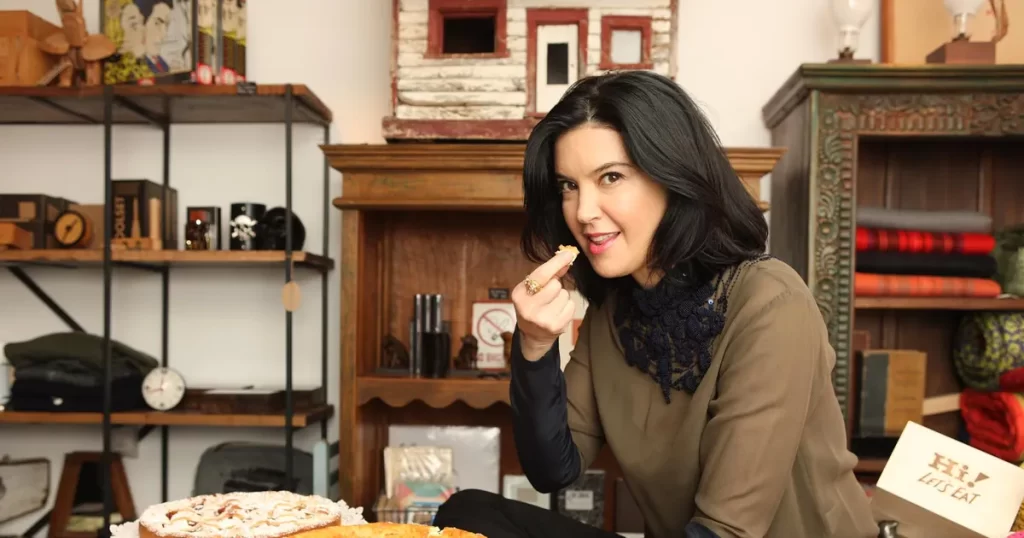
By the mid-1990s, Cates had essentially retired from acting, taking on only the occasional project that held personal meaning or involved close collaborators. Rather than chasing a comeback or engaging in nostalgic reboots, she embraced a new chapter in her life. In 2005, she opened Blue Tree, a boutique on Madison Avenue in New York City. The store, which sells curated books, fashion, art, and home items, reflects her refined taste and creative spirit. Importantly, Blue Tree does not trade on her celebrity status. It stands on its own merit, earning a loyal customer base through authenticity and style rather than name recognition.
Cates’ story challenges the entertainment industry’s conventional narrative of success. In Hollywood, longevity, visibility, and awards are often seen as the ultimate markers of achievement. But Cates presents a different model—one where success is defined by autonomy, integrity, and purpose. Her decision to leave the spotlight at the height of her fame wasn’t a retreat but a declaration of what mattered most to her: family, authenticity, and creative freedom.
Even though she no longer appears on screen, Cates remains a cultural icon. Her performances in Fast Times at Ridgemont High and Gremlins continue to be rediscovered by new generations, thanks to streaming platforms and retrospectives. These films are frequently cited in discussions about the most influential works of 1980s American cinema. And while many stars from that era have faded into obscurity or become entangled in the machinery of celebrity culture, Cates stands out for the grace with which she exited.
Public curiosity about Phoebe Cates has never completely disappeared. Yet, she has managed to preserve a rare level of privacy in an age where personal lives are often mined for content. She avoids social media, rarely makes public appearances, and maintains a life that feels deeply personal and grounded. Her quiet presence adds to her mystique, but more importantly, it reflects a strong sense of self-awareness and boundary-setting that is often lacking in the entertainment world.
Throughout her career, Cates also maintained a deep respect for the artistic process. She consistently prioritized storytelling and performance over glamour and exposure. This artistic integrity is part of what makes her story so resonant today. In an industry known for its harsh demands and fleeting loyalties, she demonstrated that it is possible to walk away with dignity and still leave a lasting mark.
Her marriage to Kevin Kline and their family life have become emblematic of balance and long-term stability in a business that rarely allows for either. Cates never framed her departure from acting as a sacrifice. Instead, she viewed it as a deeply fulfilling choice—one that allowed her to be present for her children and explore new creative avenues on her own terms. This perspective feels especially relevant today, as more public figures and working parents wrestle with the challenge of achieving work-life balance.
Blue Tree has become an extension of Phoebe Cates’ creative sensibility. Rather than returning to Hollywood or rebranding herself through reality television or memoirs, she found an outlet that aligns with her values. The boutique reflects her eye for beauty, detail, and meaning. It’s not about commercial success or publicity—it’s about creating a space that feels real and thoughtfully curated.
In a culture obsessed with reinvention and relevance, Phoebe Cates offers a different kind of inspiration. She reminds us that stepping away from the spotlight doesn’t mean fading away. Her legacy continues not because she chased it, but because she lived authentically. Her choices inspire admiration not just for what she accomplished, but for how she carried herself through it all.
Phoebe Cates’ story still matters because it invites a broader conversation about what it means to live meaningfully, especially within industries that so often define worth through visibility. Her journey underscores the power of saying no, of protecting your peace, and of choosing paths that feel true rather than merely expected. In doing so, she has left behind a quiet but enduring legacy—one that resonates more deeply with each passing year.