Understanding the Early Signs of Nasopharyngeal Cancer
Nasopharyngeal cancer is a rare cancer that develops in the nasopharynx, the area behind the nose and above the back of the throat. Because this location is hidden and its symptoms often resemble common illnesses, early warning signs are frequently overlooked.
Persistent nasal congestion, frequent nosebleeds, or a feeling of fullness in the ear may be mistaken for allergies or minor infections. However, when these symptoms linger or worsen over time, they should not be ignored.
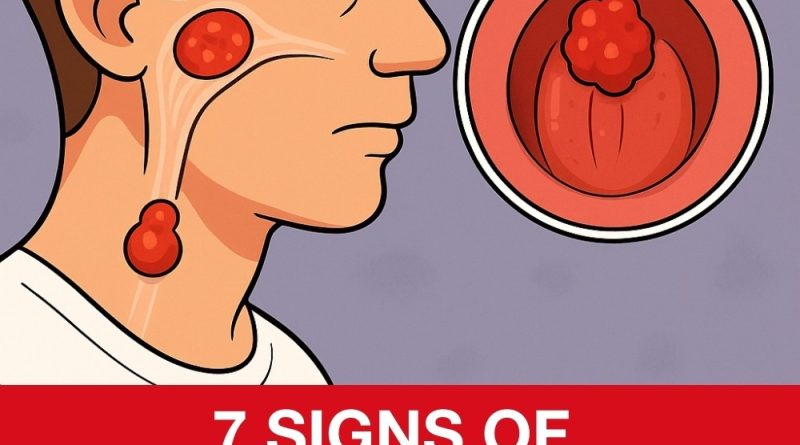
One of the earliest noticeable signs can be swelling or lumps in the neck caused by enlarged lymph nodes. Other symptoms may include hearing problems, ringing in the ears, recurring headaches, or ongoing throat discomfort.
As the condition progresses, individuals might experience difficulty breathing, swallowing issues, facial numbness, or even vision disturbances. Because these symptoms can initially seem mild, many people delay seeking medical attention.
Early detection plays a crucial role in improving treatment outcomes. Paying attention to unexplained or persistent changes in the body can significantly increase the chances of identifying the disease at an earlier stage.
Regular medical checkups are essential, especially when symptoms do not resolve with routine care. Consulting a healthcare professional ensures proper evaluation and, if necessary, timely diagnostic testing.
Modern treatment options—including radiation therapy, chemotherapy, and targeted therapies—have significantly improved survival rates, particularly when the cancer is diagnosed early. Advances in medical care continue to offer hope for better recovery outcomes.
Raising awareness about the warning signs of nasopharyngeal cancer encourages individuals to take persistent symptoms seriously. Understanding and responding promptly to changes in breathing, hearing, or swallowing can lead to earlier treatment and a healthier future.