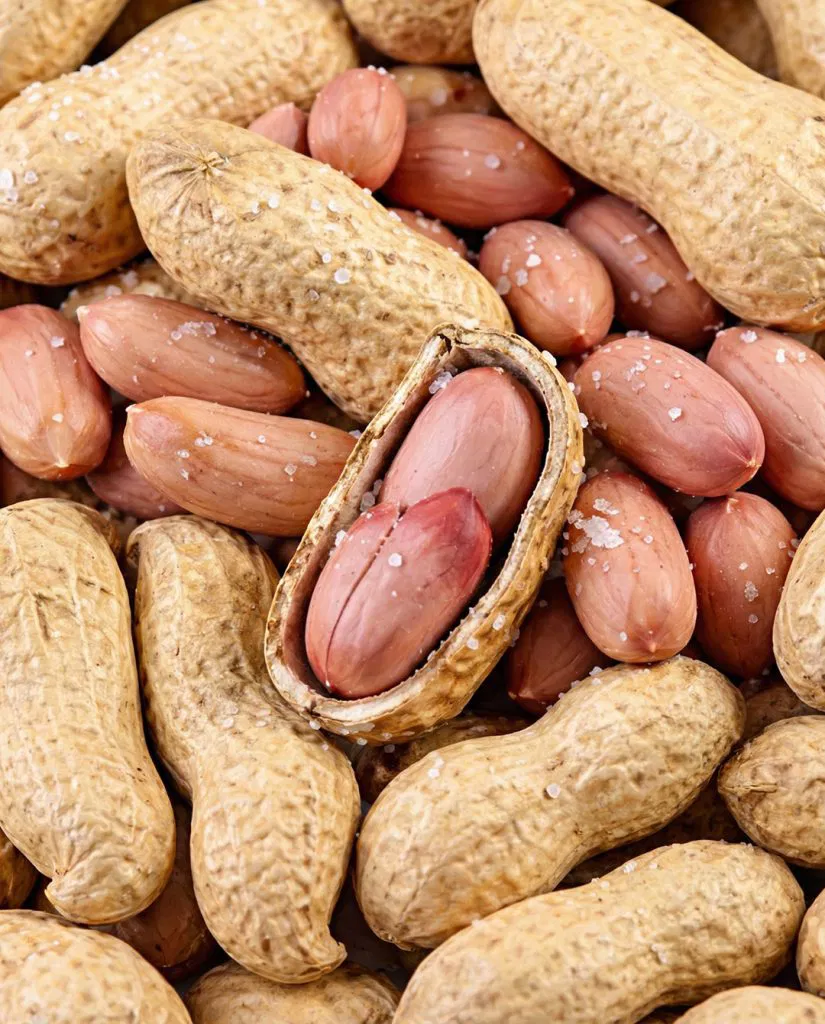
Crunchy, practical, and undeniably satisfying, peanuts often enjoy the reputation of being a “healthy snack.” Yet they are also surrounded by persistent doubts. Do they cause weight gain. Are they hard on the liver. Should they be consumed with caution.
The reality is far less dramatic. Like many foods, peanuts are neither a miracle nor a threat. Their effects depend largely on how much we eat and in what form.
What deserves attention
Some concerns linked to peanuts are legitimate, though they are often misunderstood.
Allergies remain the most serious issue. Peanuts are among the most common food allergens, and reactions can be severe even with minimal exposure. For those affected, avoidance is essential. For everyone else, this is simply a reminder rather than a cause for worry.
Calorie density is another frequent topic. Peanuts are energy rich, providing roughly 600 calories per 100 grams. This sounds alarming until portion size is considered. A typical serving is around a small handful, about 30 grams. Problems usually arise not from peanuts themselves, but from eating them absentmindedly or choosing heavily coated varieties loaded with sugar and additives.
Storage conditions also matter. When kept in warm, humid environments, peanuts can develop unwanted compounds linked to mold. In practice, this risk is easily minimized by buying from reliable sources and storing them properly in sealed containers.
For some individuals, digestive discomfort may appear when peanuts are consumed in excess. Their combination of fat and fiber, beneficial in moderation, can feel heavy when overdone. Salted versions may also contribute to excessive sodium intake.
Why peanuts can be beneficial

When eaten sensibly, peanuts offer several nutritional advantages.
They are rich in monounsaturated fats, the same type commonly associated with heart friendly diets. They also provide antioxidants and plant compounds that support overall cellular health.
Protein content is another strength. Peanuts deliver a significant amount of plant based protein, making them particularly useful for those seeking satiety between meals. The pairing of protein and fiber helps reduce unnecessary snacking rather than encourage it.
Their glycemic impact is surprisingly gentle. Despite being calorie dense, peanuts have a low glycemic index, meaning they do not provoke sharp spikes in blood sugar. This contributes to more stable energy levels.
Peanuts also supply micronutrients such as vitamin E, niacin, zinc, and biotin, all involved in maintaining normal metabolic, cognitive, and skin related functions.
The balance that makes the difference
Moderation remains the decisive factor. Nutrition experts typically suggest a portion close to 28 to 30 grams per day. Enough to benefit from their nutrients, not enough to tip into excess energy intake.
Plain, dry roasted, and unsalted varieties are generally the simplest and most balanced options. Fried, heavily salted, or sugar coated versions quickly shift the equation.
In the end, peanuts fit comfortably into a balanced diet. They do not automatically lead to weight gain, nor do they deserve a reputation as a problematic food. Like many things in nutrition, the difference lies less in the ingredient itself and more in habits surrounding it.
Peanuts, consumed mindfully, remain exactly what they have long been. A simple, satisfying, and nutritionally valuable snack.