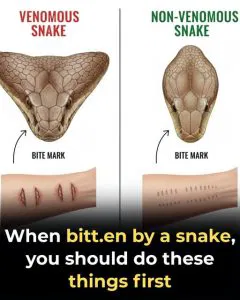
When a snakebite occurs, acting quickly and correctly can make a life-saving difference. In agriculture and other outdoor settings, proper first-aid knowledge is essential—especially during warmer months when snake activity increases.
In Australia, the Royal Flying Doctor Service (RFDS) estimates around 3,000 snakebites each year. Recent figures show approximately 550 hospitalisations and two fatalities annually. Data from the RFDS and the Australian Snakebite Project indicate that, among identified cases, brown snakes account for 41% of bites, tiger snakes 17%, and red-bellied black snakes 16%. Most victims are men in their 30s—a demographic common in farming communities.
Contrary to popular belief, more than half of snakebites (57%) occur near homes rather than in remote bushland. Many happen while walking, gardening, or attempting to handle a snake. Snakes are often drawn to farmhouses in search of water or rodents. Keeping yards tidy, managing vegetation, and reducing rodent activity can help lower risk. Wearing proper personal protective equipment (PPE)—including boots, long pants, sleeves, and gloves—also reduces exposure, since over 90% of bites affect arms or legs.
Recognizing Snakebite Types
Dry Bite
A dry bite occurs when a snake strikes but does not inject venom. It may cause pain, redness, or swelling. However, because it is impossible to know immediately whether venom was delivered, all bites must be treated as potentially dangerous.
Venomous Bite
In a venomous bite, poison is injected into the wound. Symptoms may include swelling, nausea, blurred vision, breathing difficulty, irregular heartbeat, collapse, abdominal pain, bleeding, or paralysis. Some bites are surprisingly painless and may show only minor marks.
What To Do (And Not Do) After a Snakebite
1. Seek medical help immediately.
Venom can cause severe harm within hours. Call emergency services right away.
2. Keep the person still.
Do NOT allow walking or limb movement. Use a splint and keep the limb immobilized. Bring transport to the person if possible.
3. Do NOT cut the wound or apply a tight tourniquet.
Cutting the bite is ineffective and dangerous. High tourniquets can cause serious complications.
4. Apply firm pressure bandaging.
Place a folded pad over the bite site, then wrap a firm bandage around the entire limb from bottom to top. The bandage should be tight but not stop blood flow. Only remove it in a medical facility.
5. Do NOT wash the bite or attempt to suck out venom.
Venom traces on the skin may help with identification and treatment.
6. Do NOT try to catch or kill the snake.
Modern treatment uses broad-spectrum antivenom, so identifying the snake on-site is not necessary.
After giving first aid, urgent medical assessment is essential. Proper training, accessible first aid kits, and clear emergency procedures should be part of every farm’s safety plan.
In any emergency, informed and prepared workers are safer workers.