In a culture that constantly equates worth with appearance, the story of Valeria Levitin serves as a sobering and deeply human reminder of how dangerous beauty standards can become when taken to extremes. Once labeled by international media as the “world’s thinnest woman,” Valeria’s battle with anorexia nervosa is not simply a headline designed to shock. It is a profound account of psychological pain, social pressure, and the life-threatening consequences of an eating disorder that too many people still misunderstand. Her journey forces us to confront uncomfortable truths about how society defines beauty and how easily vulnerability can be overlooked until it turns critical.
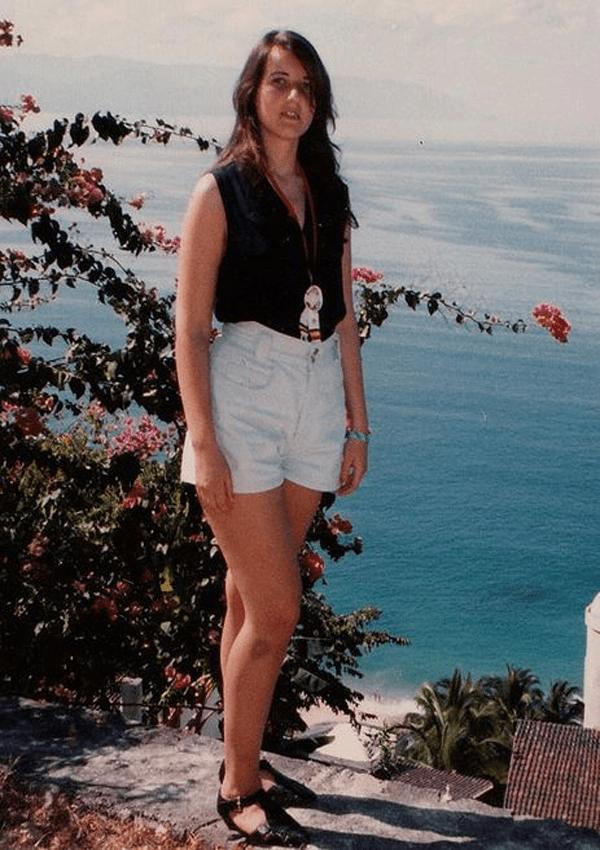
Now in her late thirties, Valeria’s appearance has often drawn attention—not because of fashion, glamour, or celebrity—but because of the visible fragility of her body. At her lowest point, she weighed less than sixty pounds. Images of her circulated widely, prompting concern and conversations around the world about body image, mental health, and the silent suffering behind extreme thinness. Yet beyond the photographs and headlines lies a far more complex story of emotional struggle that began long before the public ever heard her name.
Valeria’s relationship with food and her body did not originate in the fashion industry or on social media feeds filled with filtered perfection. It started at home. As a teenager, she faced constant scrutiny about her weight from people close to her, especially within her family. The pressure was persistent and clear: thinness equaled acceptance. Being slim was framed not just as a preference, but as a requirement for approval and belonging. For a young girl still forming her identity, those messages carried enormous weight. What began as an attempt to meet expectations slowly evolved into a distorted relationship with food and self-worth.
When she moved to the United States as a teenager, she hoped the change of environment would offer a fresh start. Instead, the pressures intensified. At just sixteen years old, she began an extreme diet in an effort to fit in and gain validation. Like many adolescents navigating insecurity, she believed losing weight would unlock confidence and happiness. Ironically, the more weight she lost, the deeper her self-doubt grew. Rather than feeling empowered, she became increasingly trapped in a cycle of restriction and fear, watching her physical strength decline while her anxiety increased.https://www.instagram.com/reel/DCO71GvPQVL/embed/?cr=1&v=14&wp=540&rd=https%3A%2F%2Fuai.fleurbistro.com&rp=%2Fthe-silent-struggle-valeria-levitins-fight-for-life-and-awareness%2F%3Ffbclid%3DIwY2xjawQSpfpleHRuA2FlbQIxMABicmlkETFxbUQ4YkdBeG02Zkhua3JJc3J0YwZhcHBfaWQQMjIyMDM5MTc4ODIwMDg5MgABHt8aLmZ0NTMcIvh01PQuNlbYihx#%7B%22ci%22%3A0%2C%22os%22%3A4232.799999952316%2C%22ls%22%3A1382.5%2C%22le%22%3A2568.2999999523163%7D
In her early twenties, Valeria pursued a modeling career, a dream shared by countless young women. For someone already struggling with body image, the modeling world can amplify insecurities. Instead of promoting balanced health, some agencies told her she was still “too big” for runway work. Those rejections reinforced the belief that she had not yet gone far enough. The bar kept moving, and she kept shrinking in response. What should have been an exciting professional chapter instead intensified her eating disorder, pushing her body further toward dangerous extremes.
By the age of twenty-four, the physical consequences were severe. Her body was profoundly weakened. Medical professionals warned her about lasting damage and serious health risks. Even activities she once enjoyed were no longer safe. She was advised against dancing because her bones had become so brittle that fractures were a real threat. At that point, the issue was no longer about appearance or career aspirations. Her life was in jeopardy. Anorexia nervosa is not a lifestyle choice; it is a complex psychiatric illness with potentially fatal outcomes, affecting the heart, bones, hormones, and nearly every organ system.
As her condition progressed, everyday experiences most people take for granted became distant memories. Simple pleasures like enjoying a slice of bread or sharing a meal without anxiety felt almost unreachable. Beyond the physical restrictions, there was also emotional isolation. Eating disorders often create a profound disconnect—not only from food, but from relationships, joy, and a sense of normalcy. Valeria has spoken about feeling detached from basic human experiences, as if watching life from a distance while trapped inside her own body.
Perhaps one of the most heartbreaking aspects of her story was the type of attention she began to receive. While many people expressed concern, some young girls, struggling with their own body image issues, reached out to her asking for advice on how to achieve her level of thinness. In a world saturated with unrealistic beauty ideals, extreme images can sometimes be misinterpreted as goals rather than warnings. Valeria responded with clarity and compassion, making it clear that she would never encourage anyone to follow the path that nearly destroyed her. She has stated firmly that she is not here to teach girls how to harm themselves. Her words transformed her public image from spectacle to advocate.
Despite the immense toll anorexia has taken on her body and mental health, Valeria chose not to hide from the public eye. Instead, she began using her voice to raise awareness about eating disorders and the importance of mental health treatment. Speaking openly about such a personal struggle requires extraordinary courage. By sharing her experience, she helps dismantle the myth that extreme thinness is glamorous. She highlights the reality: exhaustion, medical complications, emotional distress, and the constant battle for survival.
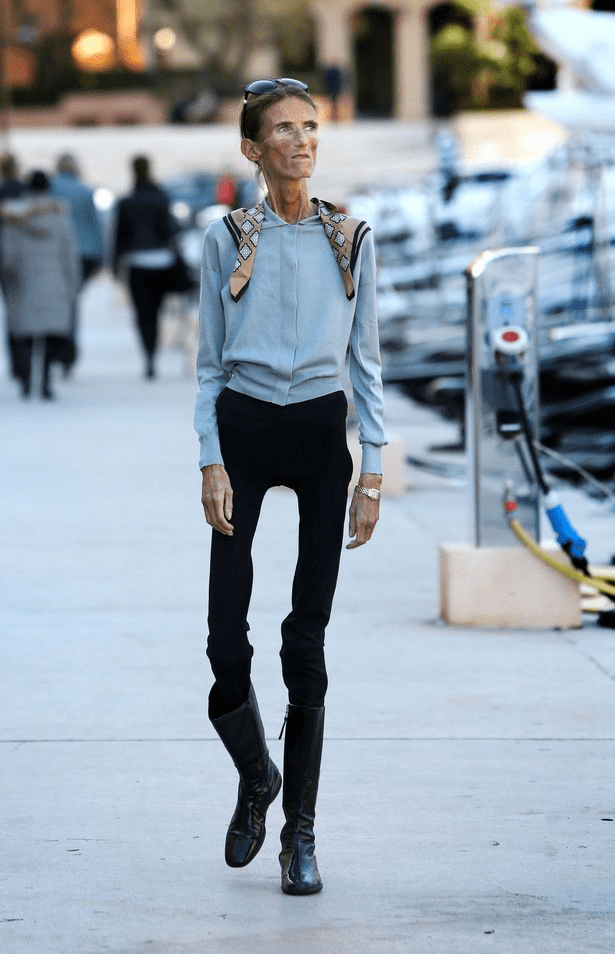
One of her most personal motivations for recovery is her hope of becoming a mother someday. That dream represents more than a future role; it symbolizes life, continuity, and healing. The desire to build a family fuels her commitment to seeking support and working toward better health. Recovery from an eating disorder is rarely linear. It involves medical care, psychological therapy, nutritional rehabilitation, and a strong support system. It requires patience, accountability, and compassion—both from professionals and from the broader community.
Valeria’s story matters deeply in today’s digital landscape. Social media platforms often present curated images that distort reality. Filters, editing tools, and carefully staged content can create unattainable standards, especially for young people still developing self-esteem. Eating disorders frequently thrive in secrecy and comparison. When extreme thinness is normalized or even praised, warning signs can be overlooked. Stories like Valeria’s humanize the condition. They remind us that behind every statistic is a real person with fears, hopes, and relationships at stake.
For parents, educators, healthcare providers, and friends, her experience underscores the importance of early intervention. Changes in eating habits, obsessive thoughts about weight, social withdrawal, or dramatic physical shifts should never be dismissed as phases. Compassionate conversations and timely professional support can make a critical difference. Eating disorders have one of the highest mortality rates among psychiatric illnesses, yet recovery is possible with proper treatment and understanding.
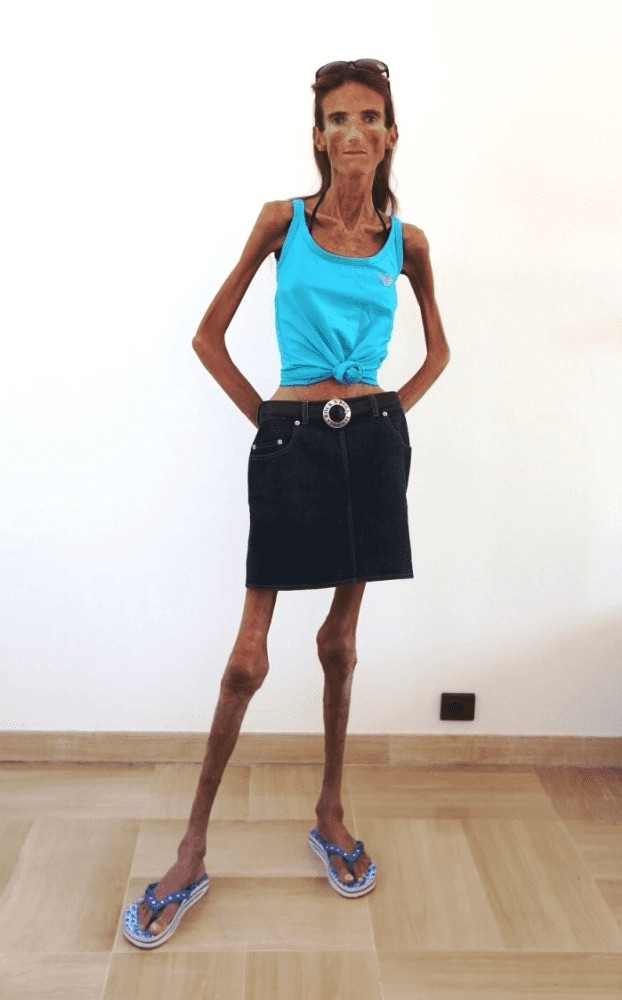
Ultimately, Valeria Levitin’s journey is not defined solely by how low her weight once dropped. It is defined by resilience, honesty, and the willingness to confront painful realities in order to help others. Her message is both simple and powerful: health cannot be measured by a number on a scale. True well-being includes physical strength, emotional stability, and self-acceptance. In a world that often prioritizes appearance over wellness, her voice serves as a vital reminder that life, dignity, and mental health are worth far more than any fleeting ideal of perfection.