In the world of vintage kitchenware, one can stumble upon many intriguing and mysterious tools, each with its own unique history and purpose. Among these curiosities, you may find a small metal tool with a hooked, serrated end and a wooden handle, nestled among old silverware.
At first glance, its function may not be immediately apparent, as it doesn’t conform to the typical shapes and edges of common utensils like spoons, forks, or knives.
This enigmatic tool, too sharp to be a spoon and too curved to be a knife, invites us on a journey into the past, exploring the ornate rituals of dining and the specialized instruments crafted for such occasions. In this article, we delve into the identity of this mysterious implement and uncover its place in culinary history.

1. First Clue: The Hooked, Serrated End
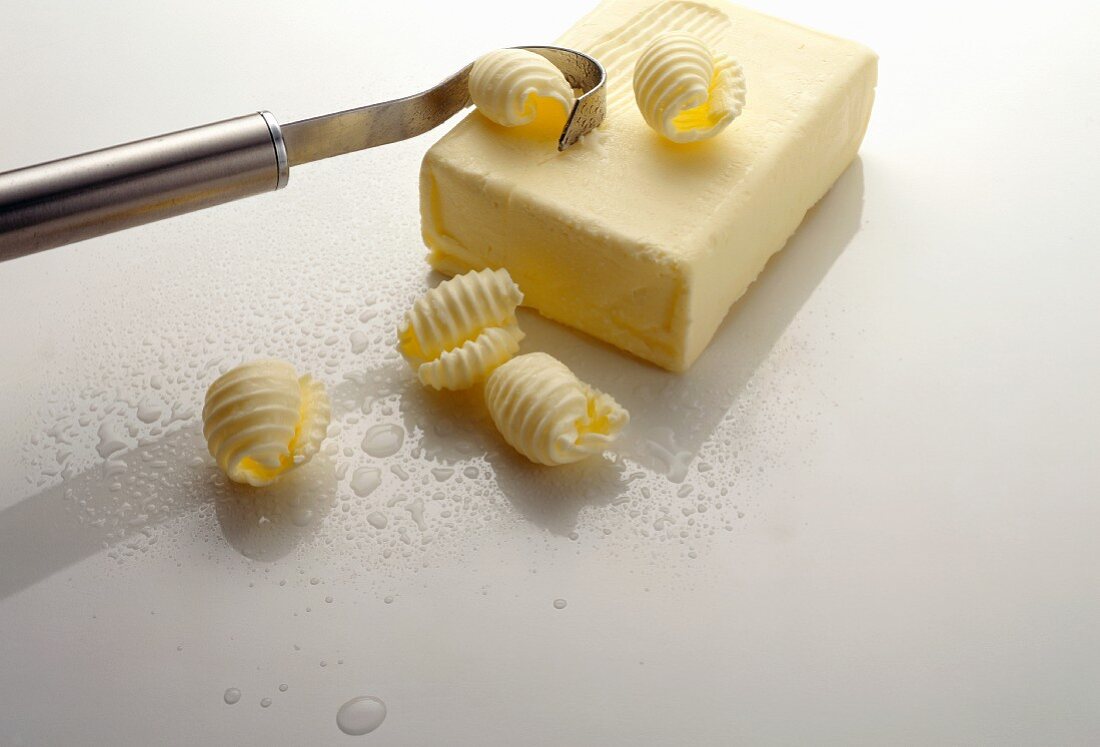
The most distinctive feature of this tool is its hooked, serrated end. This unique design serves a specific purpose, allowing the user to carve into a solid block of butter and produce delicate curls.
Measuring approximately 1 to 2 inches in length, the serrated edge is fine enough to create detailed grooves, ensuring the butter curls maintain their shape and texture.
The hook, meanwhile, is gently curved, resembling a small sickle. This curvature is essential for scooping and lifting the butter curls onto a plate without breaking them, a task that requires both precision and finesse.
The craftsmanship involved in creating such a tool reflects a bygone era when dining was an art form and presentation was paramount.
2. Why It’s Not a Spoon, Fork, Or Standard Knife
At first glance, one might mistake this tool for a utensil used for eating, such as a spoon, fork, or knife. However, its dimensions and design quickly dispel such notions. Unlike a spoon, it lacks a bowl-like concavity, and its sharp, serrated edge is entirely unsuited for scooping or holding liquids.
Similarly, it deviates from the straight, cutting edge of a standard knife, with its curved hook making it unsuitable for slicing or spreading in the traditional sense. Furthermore, the absence of tines rules out its use as a fork.
The uniqueness of its shape and serrations clearly indicate a specialized function outside the realm of ordinary tableware.
3. The Tell-Tale Wooden Handle of Vintage Kitchen Tools
The wooden handle of this tool is another characteristic feature that hints at its age and purpose. Typically crafted from durable hardwoods such as oak or walnut, the handle provides a comfortable and secure grip, essential for the precise movements required when curling butter.
Over time, the wood may develop a patina, adding to its charm and historical significance. The handle’s length, usually around 4 to 6 inches, is proportionate to the metal end, ensuring balance and ease of use.
This combination of materials was common in vintage kitchen tools, designed to withstand frequent use while offering an elegant appearance.
4. Meet the Vintage Butter Curler
The intriguing tool you have discovered is a vintage butter curler, an implement once considered essential in formal dining settings. Butter curlers were used to create decorative butter shapes, adding an element of sophistication to the dining experience.
Their design allowed for the effortless transformation of a simple block of butter into a visually appealing accompaniment to bread and other dishes.
These curlers were popular from the late 19th century through the early 20th century, a period when elaborate table settings were a hallmark of hospitality and refinement.
The art of butter curling was not just about aesthetics; it symbolized the host’s attention to detail and commitment to providing an exceptional dining experience.
5. How Butter Curlers Were Used at the Table
In an era where dining was as much about presentation as it was about taste, butter curlers played a significant role. Hosts or their staff would skillfully curl butter before guests arrived, arranging the delicate spirals on chilled plates to maintain their form.
These curls were then served alongside freshly baked bread or rolls as part of the meal’s opening course.
The presence of butter curls on the dining table was a testament to the host’s culinary prowess and their dedication to creating an inviting and luxurious atmosphere. This practice was particularly prevalent during formal gatherings and special occasions, where every aspect of the meal was carefully curated.
6. The Role of Butter Curls in Formal Dining History
Butter curls were not merely decorative; they were a reflection of the social customs and dining etiquette of their time. In the days of formal dining, attention to detail was paramount, and the appearance of the table was as crucial as the quality of the food served.
The inclusion of butter curls indicated a level of sophistication and care that was expected in high society circles.
During the Victorian and Edwardian eras, when the ritual of dining reached its zenith, the creation of butter curls was often entrusted to skilled household staff. The ability to produce perfectly formed curls was a sought-after skill, highlighting the intersection of culinary arts and social graces.
7. Common Variations: Curlers, Picks, and Specialty Spreaders
While the classic butter curler features a hooked, serrated end, variations exist that cater to different preferences or regional styles. Some curlers may have a more pronounced curve or a different serration pattern, designed to produce specific types of curls or decorative shapes.
In addition to curlers, related tools such as butter picks and specialty spreaders were used to complement the dining experience. Butter picks, often resembling small forks, were used to transfer curls from serving plates to individual bread plates.
Specialty spreaders, with their wide, flat blades, were designed to spread softened butter or other condiments, completing the set of tools dedicated to enhancing the presentation and enjoyment of meals.
8. How to Safely Test and Use a Butter Curler Today
If you have uncovered a vintage butter curler and wish to try your hand at creating decorative butter, there are a few steps to ensure safe and effective use. First, ensure the tool is clean and the serrated edge is free of rust or damage. A gentle scrub with warm, soapy water and a soft brush should suffice for cleaning.
To create butter curls, start with a chilled block of butter. Grasp the curler by its handle, positioning the serrated edge at the butter’s surface. Apply gentle pressure and pull the tool towards you in a smooth, steady motion.
The serrations will cut into the butter, forming a curl that can be lifted with the hook. Practice makes perfect, so don’t be discouraged if your first attempts aren’t flawless.
9. Identifying Maker’s Marks and Dating Your Curler
Many vintage kitchen tools, including butter curlers, bear maker’s marks or stamps that can help identify their origin and age. These marks are often found on the metal portion of the tool, near the handle, and may include the manufacturer’s name, logo, or other identifying symbols.
Researching these marks can provide insights into the tool’s history and value.
Online databases and reference books on vintage kitchenware are valuable resources for identifying maker’s marks. Understanding the timeline of the manufacturer’s operations can also help in dating the curler, giving you a clearer picture of its place in history.
/product/83/4494523/1.jpg?7916)
10. What Your Find Might Be Worth to Collectors
The value of vintage butter curlers can vary significantly based on factors such as age, condition, rarity, and provenance. Butter curlers in excellent condition, with a clear maker’s mark and an intact wooden handle, are generally more sought after by collectors.
Prices can range from a modest sum for common examples to higher amounts for rare or particularly well-preserved pieces.
Collectors often seek out specific styles or manufacturers, adding to the value of certain curlers. Consulting with antique appraisers or participating in online auctions can provide a better understanding of the tool’s worth in the current market.
11. Caring For and Displaying Old Butter Curlers
Proper care is essential to preserve the beauty and functionality of vintage butter curlers.
To maintain the wooden handle, apply a small amount of mineral oil or beeswax polish periodically to prevent drying and cracking. The metal end should be kept clean and free of rust, with occasional polishing if necessary.
Displaying butter curlers can be a delightful way to showcase their historical significance.
Consider placing them in a shadow box or on a dedicated shelf alongside other vintage kitchen tools. Grouping curlers with related items, like butter picks and spreaders, can create an engaging and educational display that celebrates the artistry and tradition of formal dining.