Imagine spending the earliest years of your life sharing not just a bedroom or a toy, but your own skull with your sibling. For most of us, that idea is almost impossible to comprehend. Yet for two young brothers from Brazil, Arthur and Bernardo Lima, that was their reality from the moment they were born. Their story is one of extraordinary medical challenges, unwavering family support, and the remarkable possibilities that modern technology can offer. After three and a half years of living physically connected, the boys are now finally able to stand side by side as individuals, free to explore the world in ways that once seemed unimaginable.
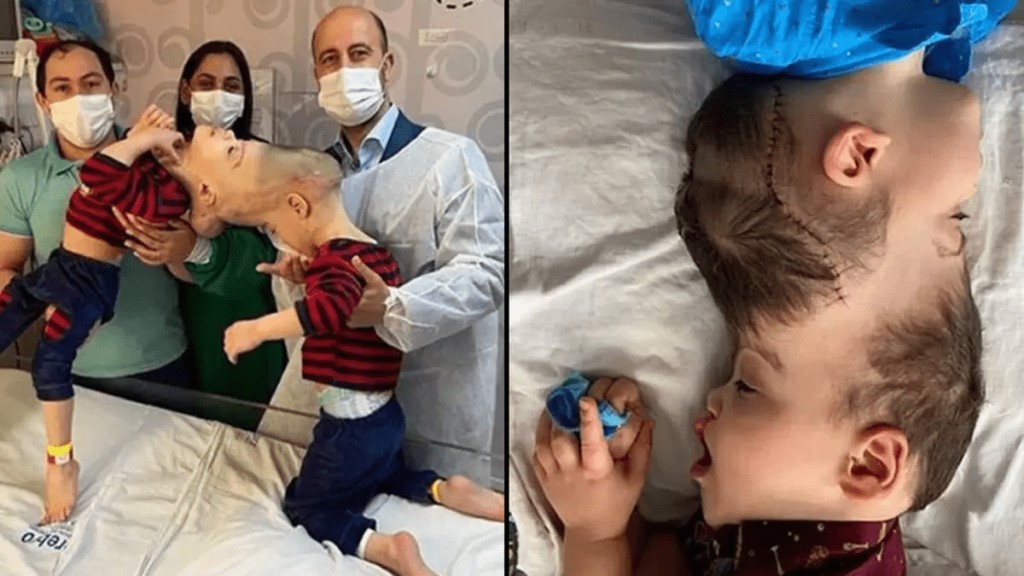
Arthur and Bernardo entered the world as craniopagus twins, meaning they were joined at the skull. This rare condition occurs in only a tiny fraction of twin births and presents one of the most complex challenges in modern medicine. From the beginning, their lives were surrounded by careful medical monitoring, specialized treatment, and a constant awareness that their future would depend on the skill and determination of doctors willing to attempt the nearly impossible.
For their parents, the early years were filled with a delicate balance between hope and uncertainty. Like any family welcoming new children, they wanted to provide warmth, love, and as normal a childhood as possible. But everyday routines were different from those of most families. Simple activities required extra planning, and the boys’ physical connection meant that every movement was shared. When one turned his head, the other had to adjust. When one rested, the other rested too. Their lives unfolded in a rhythm unlike anything most people experience.
Despite these challenges, Arthur and Bernardo grew up surrounded by love and encouragement. Their family remained determined to give them a sense of normal childhood joy, even within hospital rooms and medical appointments. Doctors and caregivers worked closely with the family, monitoring the twins’ development and carefully studying their unique anatomy. As the boys grew older, one question remained at the center of every discussion: could they safely be separated?
Separating twins joined at the skull is among the most demanding procedures in all of surgery. The complexity lies not only in the bones that connect the heads but also in the delicate network of blood vessels and brain tissue that may be shared between them. A single mistake can lead to devastating consequences. Every movement must be planned with extraordinary precision, and every possible risk must be considered.
In Arthur and Bernardo’s case, the challenge was particularly intense. Their brains were closely connected, and the surgical team needed to understand exactly how their blood vessels and tissues interacted before attempting any operation. The responsibility was enormous. But a team of specialists from Brazil and the United Kingdom came together with a shared goal: to give the boys the chance to live independent lives.
What made this operation especially groundbreaking was the use of advanced virtual reality technology. Instead of relying solely on traditional scans and diagrams, the medical team created an incredibly detailed three-dimensional model of the twins’ anatomy. Using specialized imaging data, surgeons were able to build a digital representation of the boys’ skulls, brains, and blood vessels.
Through virtual reality headsets, doctors could step inside this digital environment and examine every structure from multiple angles. They practiced the procedure repeatedly in the virtual space, rehearsing each stage of the operation as if it were happening in real time. It allowed them to understand how each movement might affect the boys’ shared anatomy and to develop a precise strategy for safely separating them.
This kind of preparation transformed the way the surgical team approached the operation. Instead of entering the operating room with only theoretical plans, they had already walked through the procedure many times in the virtual world. Every step had been studied, discussed, and refined. It was similar to a team of athletes rehearsing a complex routine again and again until every motion became second nature.
The actual surgical process took place over several stages, each one carefully timed and meticulously executed. Surgeons gradually worked to separate the shared structures while protecting the delicate tissues of each child. These operations required extraordinary concentration and teamwork, with specialists coordinating every action to ensure the boys’ safety.
Finally, after months of preparation and multiple surgical stages, the moment arrived that everyone had been hoping for. Arthur and Bernardo were successfully separated. For the first time in their lives, the brothers were no longer physically connected.
The emotional weight of that moment was felt throughout the hospital. Doctors, nurses, and family members had invested years of effort and hope into this journey. Seeing the boys finally lying in separate beds, each with his own space and his own movement, was a powerful reminder of what human dedication and innovation can achieve.
Perhaps the most meaningful moment came when the brothers were able to look at each other face to face for the first time. Before the surgery, they could only see each other through mirrors or reflections due to the way their heads were joined. Now they could meet each other’s gaze directly as two separate individuals. It was a simple but deeply moving milestone for a pair of children who had shared every moment of life since birth.
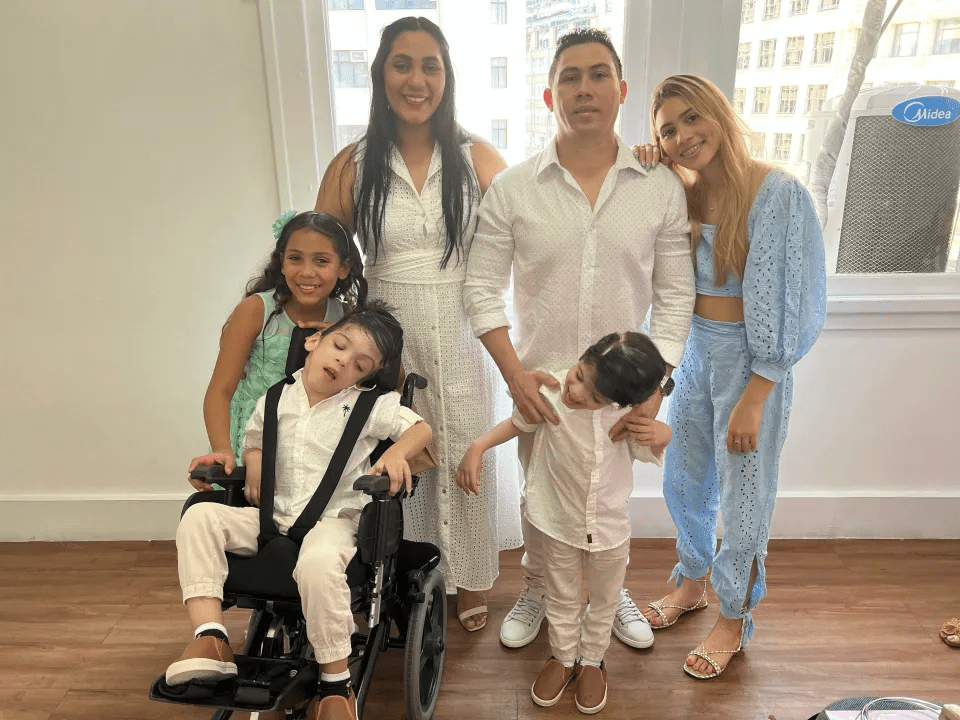
Their mother expressed overwhelming gratitude to the medical teams who made this transformation possible. She knew that the journey ahead would still require patience and strength. Recovery after such a complex procedure takes time, and the boys will continue to receive medical care, rehabilitation, and support as they adapt to life apart.
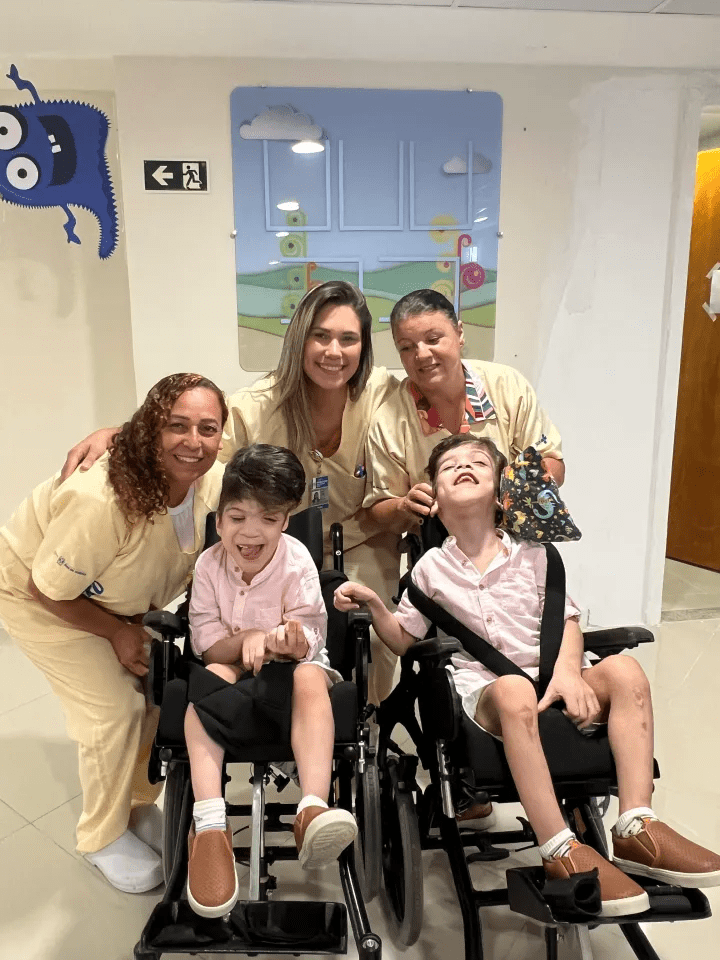
Physical therapy will help them develop balance and coordination as independent individuals. Doctors will continue to monitor their progress to ensure both children remain healthy and comfortable. Each step forward represents a new discovery for the boys, who are now learning what it means to move and explore the world on their own.
Yet even with the challenges ahead, the most difficult barrier has already been crossed. Arthur and Bernardo now have the opportunity to grow as individuals while still sharing the unique bond that only twins can understand.
Their story carries meaning far beyond a single family. The success of this surgery demonstrates how modern medicine continues to evolve through collaboration, technology, and determination. The use of virtual reality as a surgical planning tool represents an exciting step forward in medical innovation. By allowing surgeons to visualize complex anatomy in immersive detail, these tools can help improve precision and reduce risk in some of the most challenging procedures imaginable.
For doctors and researchers around the world, cases like this offer valuable insights that may help future patients. Techniques developed for Arthur and Bernardo’s surgery could one day benefit other children facing similar conditions, expanding the possibilities for life-changing treatments.
But beyond the scientific achievement, this story is ultimately about resilience, compassion, and hope. It is about a family who refused to give up on the possibility of a better future for their children. It is about doctors and specialists who dedicated years of expertise to solving a medical puzzle that once seemed unsolvable.
Arthur and Bernardo’s journey reminds us that extraordinary challenges can inspire equally extraordinary solutions. What once seemed like an impossible dream has become a new beginning for two young brothers.
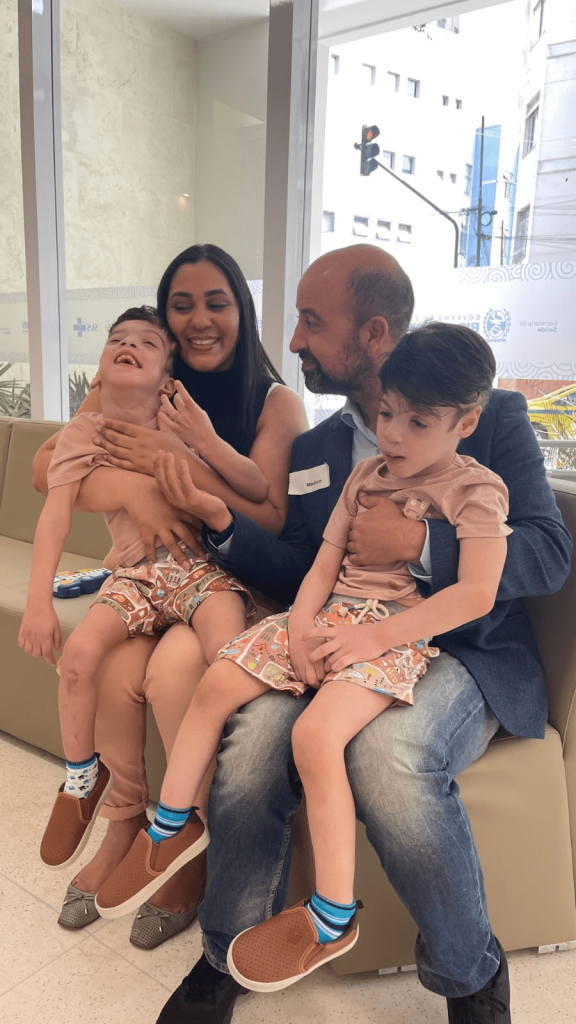
Today, instead of sharing a single physical existence, they are beginning to discover the world as two individuals standing side by side. Their story stands as a powerful example of what can happen when human determination meets the limitless potential of science and innovation.