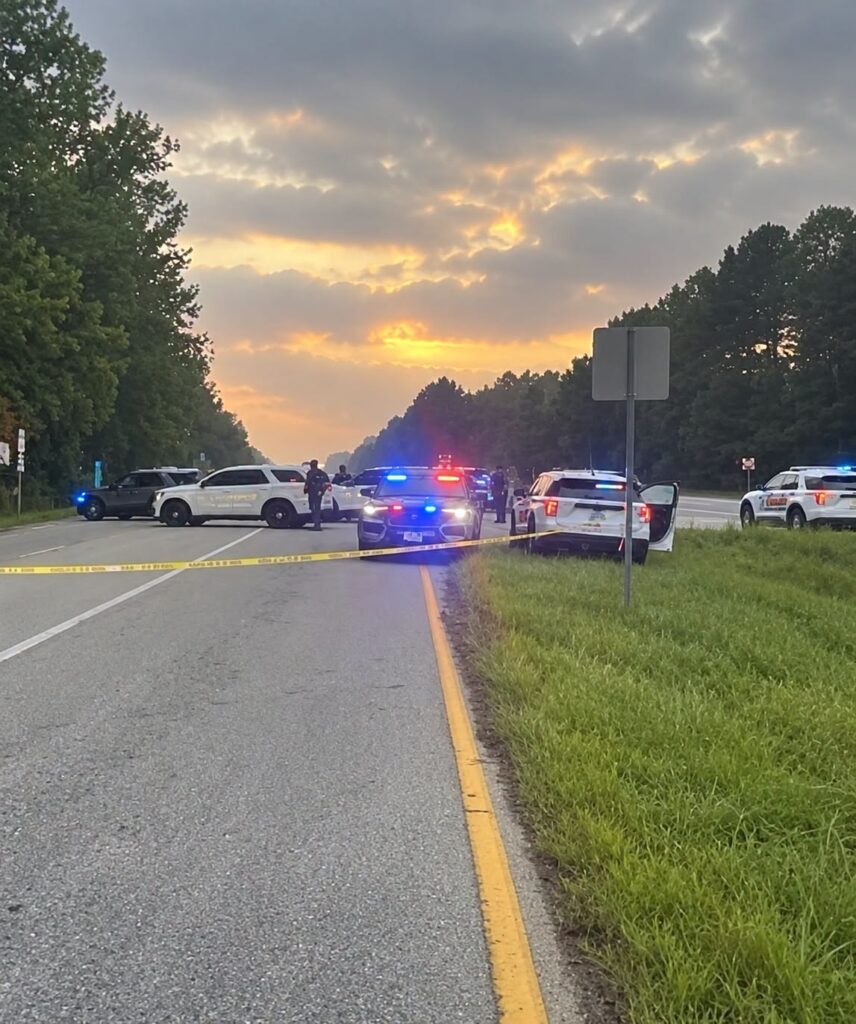
A siren cut through the morning and nothing has felt normal since. Streets went silent, buses vanished from their routes, and a familiar neighborhood was swallowed by flashing lights and barricades. No one knows exactly what triggered the full-scale lockdown, only that officers keep pouring in and the warnings grow sharper. Stay back. Stay inside. Stay awa…
By late afternoon, the neighborhood no longer resembled itself. Storefronts that usually spilled light onto the sidewalks were dark, blinds drawn tight. Parents pressed their faces to upstairs windows, watching convoys of marked and unmarked vehicles slide past, trying to read the faces of the officers stepping out in heavy gear. Each new arrival suggested the same thing: whatever was happening inside that cordoned-off zone was serious enough to justify turning an ordinary workday into a citywide question mark.
Yet beneath the anxiety, a quieter realization settled in. The same barriers that kept people out were also there to shield them from a danger they couldn’t see. Updates came in fragments—carefully worded briefings, brief flashes of clarity in an otherwise controlled silence. As speculation churned online, most residents did the only thing left to do: obey the perimeter, check on their neighbors, and wait for the moment the roads reopened and life, however changed, was allowed to resume.