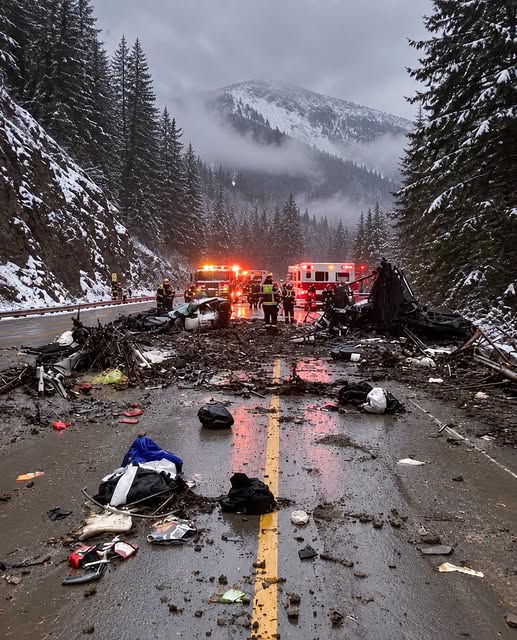
The first explosions weren’t a surprise. They were a verdict. In less than an hour, a war no one voted for ripped across borders, markets, and lives. Leaders claimed control. Screens showed chaos. Families woke to sirens, rumors, and the sickening sense that this time, nothing would stay “over the hori…
By the time the sun rose over Tehran, Tel Aviv, and a dozen U.S. bases, the narrative war was raging as fiercely as the missiles. Each government insisted it had been forced into action; each framed the other as reckless, cornered, irrational. Yet on the ground, the pattern looked painfully familiar: civilian neighborhoods shattered by “nearby” targets, hospitals short on fuel, children learning to distinguish incoming sirens by sound alone. Markets convulsed, then adapted, pricing in human terror as just another risk premium.
In living rooms from Isfahan to Haifa to Houston, the questions grew sharper. How many red lines had been crossed in secret before the first jet took off? Who decided this was “acceptable risk”? And when the ceasefires and photo-ops finally arrive, who will still be missing from the table: the dead, the displaced, and the millions who never had a say in the war that rewrote their lives.