Why Fish Cribs Are Placed at the Bottom of
These underwater structures give fish places to shelter, but finding more fish around a crib can mean two different things
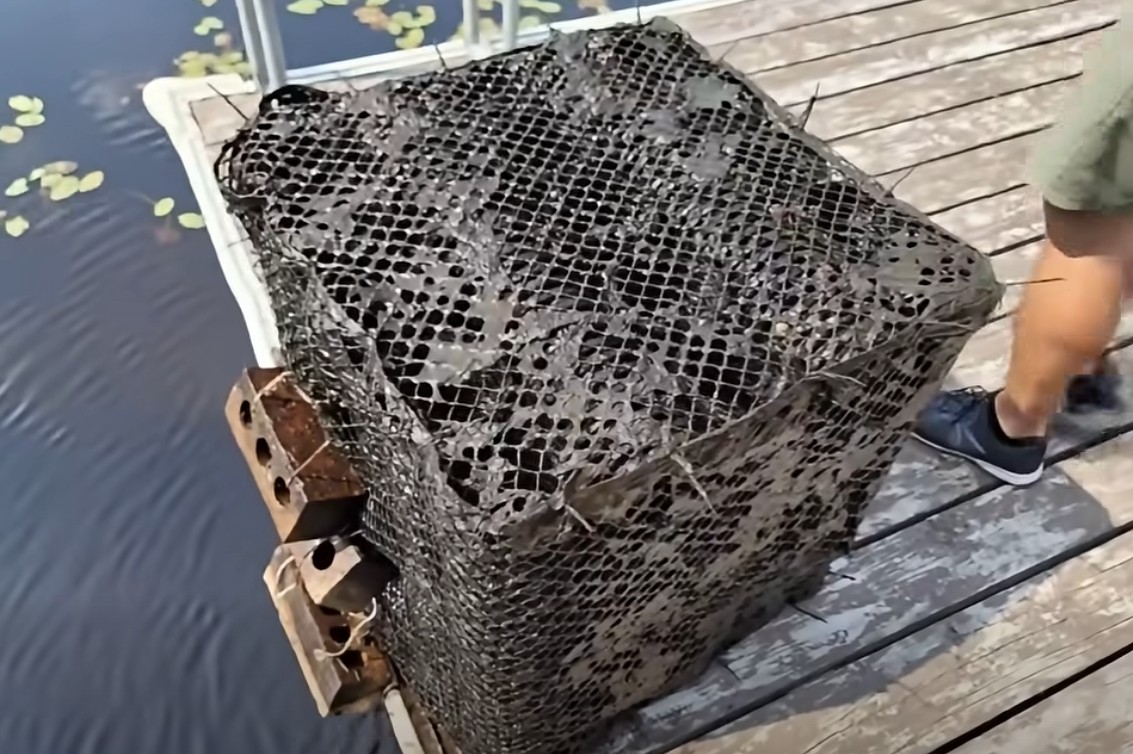
From the surface, a quiet stretch of lake may look like open water. Below it, a frame packed with branches can offer fish a cluster of hiding places. Fisheries managers call structures like these fish cribs. They’re installed in some lakes and reservoirs to add underwater cover, particularly where fallen trees, submerged branches, and other natural features are scarce.
The idea is simple. Give smaller fish places to tuck away and add variety to a stretch of lake bottom that may have little cover. Whether a crib helps the wider fish population, though, depends on what the lake needs and how fish use the structure over time.
What a fish crib offers underwater
A traditional fish crib can be built from a wooden frame filled with brush. The branches form gaps of different sizes. Small fish can slip into the tighter spaces, while larger fish may cruise along the outside looking for food. Submerged wood also gives algae and small aquatic invertebrates a surface to grow on or live around. Some of those organisms become food for fish.
Fisheries managers can add cover in several ways. Depending on the site and the purpose, a project might use a brush pile, anchored logs, or a purpose-built structure. A dense bundle of branches offers different hiding places from a single log or a rock pile. The choice comes down to which fish the project is intended to benefit and what kind of habitat is missing.
Why placement matt
Depth matters because conditions near the bottom can change through the year. In some lakes and reservoirs, deeper water can hold too little dissolved oxygen for fish during summer. A crib installed in that layer may offer plenty of physical cover at a time when fish are using shallower water. Fisheries staff also consider whether the structure can stay anchored, whether the bottom can support it, and how low the water level may fall.
Placement affects people on the lake, too. A structure needs enough clearance to avoid interfering with boating or swimming. Rules vary by waterway and project, so lake associations and volunteer groups should check with the local fisheries or waterway agency before placing anything. That conversation can help them decide whether to add cover at all or focus on protecting habitat that already exists.
Do fish cribs grow populations or gather fish in one spot?
Seeing fish around a new crib tells fisheries staff that the structure is being used. The next question is where those fish came from. The crib may have drawn fish that were already in the lake, making them easier to find. In a lake where shelter is scarce, it may also help young fish survive by giving them more places to hide. A single observation can look much the same in either case.
That distinction matters when a project is intended to improve a fishery over time. Observations across seasons can show when fish use the structure and which species gather there. To understand whether the population itself is changing, fisheries staff need information from beyond the crib, including how many young fish survive elsewhere in the lake.
How fish cribs fit into lake conservation
Angling clubs and lake associations can help fisheries agencies identify areas with little cover and document approved installations. Some agencies publish maps of fish attractors, including structures near shore that bank anglers can reach. For someone learning to fish, a mapped brush pile offers a concrete example of how underwater cover can influence where fish gather.
A crib works best when it addresses a specific gap. If a lake already has fallen timber, healthy shoreline vegetation, and plenty of places for young fish to shelter, protecting those features may be the better use of time. Where cover is scarce and water conditions are suitable, a well-placed crib can add something tangible beneath the surface: a place for fish to use when they need it.