Vera Miles Became a Hollywood Icon in Psycho. In Palm Springs, She Chose a Quieter Life
The Actress Who Played Lila Crane Drew Attention With an Ordinary Day Out
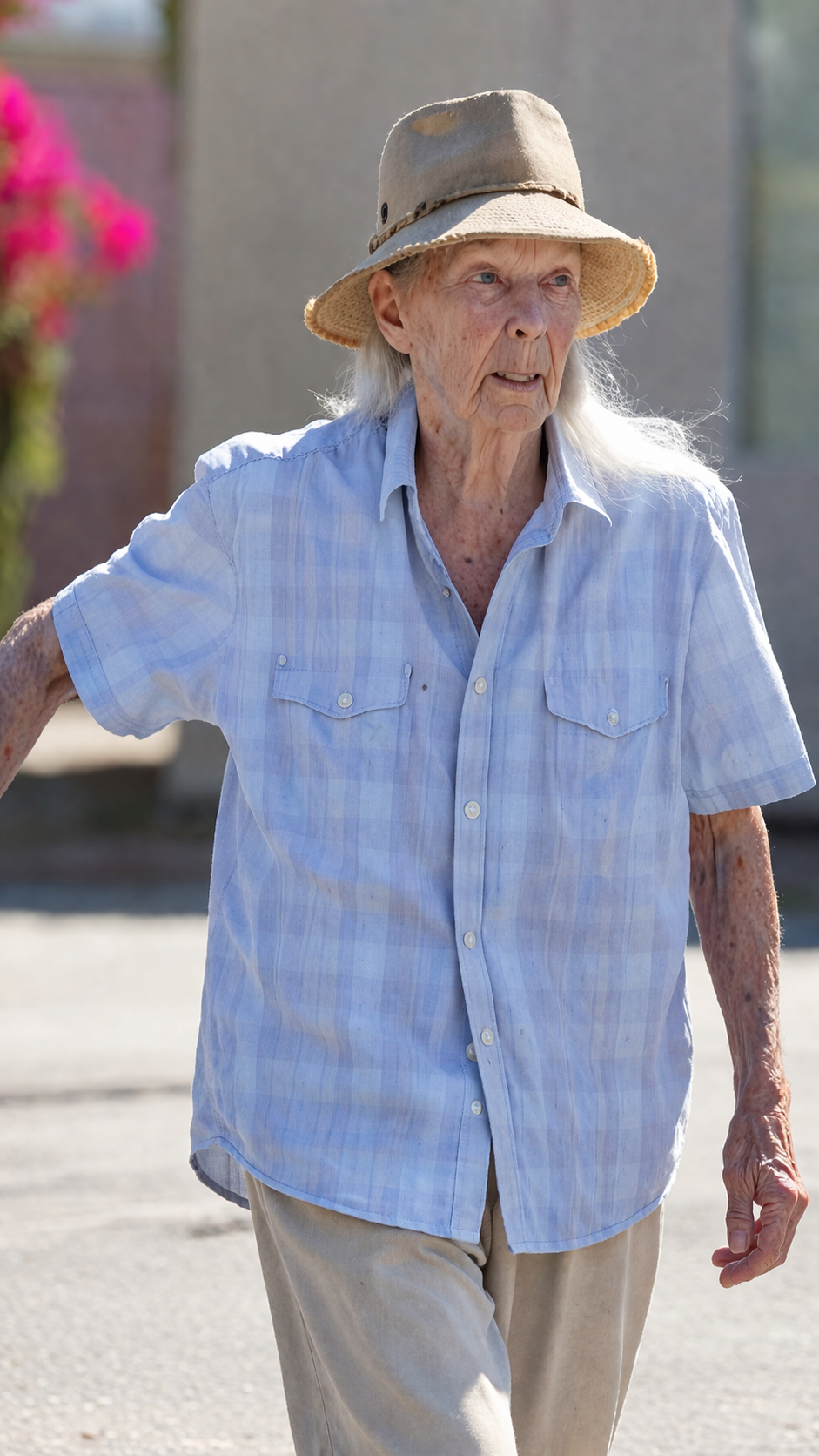
Vera Miles was 95 at the time of a reported outing in Palm Springs, California. The actress, best known to many film lovers as Lila Crane in Alfred Hitchcock’s Psycho, was described as composed and at ease in the desert sunshine. There was no premiere to attend or new role to discuss. What drew attention was the chance to hear about Miles in a setting far removed from the films that made her familiar.
For generations of viewers, her name belongs to a world of suspense carefully built for the screen. The Palm Springs account offered a glimpse of a later chapter, when Miles had largely stepped away from public life. The outing was unremarkable in itself. Its appeal came from the distance between an ordinary day in California and the enduring place she holds in film history.
Lila Crane Gave Audiences a Reason to Follow Her Into the Unknown
In Psycho, Miles plays Lila Crane, who goes looking for her missing sister. Lila enters a story already thick with uncertainty, and her search gives the audience a person to follow as that uncertainty deepens. Her determination is practical. She wants answers, and the longer she goes without them, the more willing she is to look for them herself.
The performance depends on how Miles handles the gap between what Lila knows and what viewers have begun to fear. A place can feel dangerous to the audience while still appearing to Lila as somewhere she needs to search. Miles keeps the character’s attention on the task in front of her. That focus makes each decision understandable, even when the people watching would prefer her to turn around.
That quality gives Lila a distinct place in the film. A mystery needs someone to keep asking questions after other people have grown uneasy or lost interest. In Miles’s performance, those questions come from a sister who expects the disappearance to matter to everyone as much as it matters to her. The emotional reason for her search stays clear as the story grows stranger.
What Miles Brought to Hitchcock’s Suspense
Hitchcock could build unease through what the camera showed, where it lingered and what it left outside the frame. An actor working within that structure still had to give the audience a person whose choices made sense. Miles made Lila’s search feel grounded in concern for her sister. Viewers could understand why Lila needed to see more, even when the film had given them reasons to dread what she might find.
Some of the tension comes from watching a determined person enter a situation she only partly understands. Lila has to make decisions with the information available to her. Miles gives those decisions a steady purpose, which lets Hitchcock stretch the suspense around them. The audience can feel how much danger may be present without losing sight of why Lila keeps going.
For someone returning to Psycho after years away, the most memorable shocks may be the scenes they expect to notice first. A second viewing can bring more attention to the work that connects those moments. Miles helps keep the missing woman present in the story through the way Lila speaks about her and insists on finding her. Her performance gives the mystery a personal cost.

An Ordinary Outing Far From a Film Premiere
The account of Miles in Palm Springs describes a day with none of the formal surroundings audiences associate with an appearance by a screen star. There was no event organized around her arrival. The setting was an ordinary one, and the details made public about it were limited. People who recognized the name supplied much of their own context from memories of her work.
That helps explain how a quiet outing can attract interest without becoming an important event in the life of the person involved. For a longtime viewer, learning that Miles was seen in Palm Springs might bring back the first time they watched Psycho or the moment they learned who played Lila. For Miles, as far as the account describes, it was time spent out in the California sunshine.
The age attached to the outing belongs to that particular account. It locates a moment late in a life that audiences often encounter through a film made many years earlier. A performance stays the age it was when the camera captured it. The person who gave it goes on to have years of experiences that a viewer may know very little about.
Audiences Keep Discovering Her Work While She Lives Privately
Miles’s distance from public life left room for the work itself to be what most people knew. A viewer can discover her through Psycho today and come away with a vivid impression of someone who has spent much of her later life away from the spotlight. That is one of the unusual things about a long-lived film. It can introduce an actor to new audiences decades after the performance was ma
People who have known the film for years bring a different history to it. They may remember the first time they saw Lila follow a lead or how the character’s insistence changed the direction of the story. The next time they watch, knowing what will happen can free them to pay closer attention to the performance. They can see how Miles keeps Lila moving through scenes that invite the viewer to hesitate.
A rare account of Miles in public can renew interest in those details. It can also make readers curious about the intervening years. Much of her later life has remained private, and the Palm Springs story offers only a brief look at it. The information it provides is modest enough to leave the ordinary character of the outing intact.
Why the Palm Springs Account Resonated With Film Fans
Part of the interest came from seeing a familiar name in an unexpected setting. Hitchcock’s name immediately takes many readers back to a film and the suspense Miles helped create. Palm Springs brings them forward to a day with a different pace, one remembered for sunshine and the ease with which she was said to have carried herself.
There is something appealing about an account that leaves a celebrated performer room to enjoy the same kind of afternoon anyone else might want. The outing needed no announcement. Its public interest came afterward, when people who remembered Miles from the screen recognized the name and thought about how much time had passed since they first saw her work.
For those who came to the story wondering which actress it concerned, the name brings them back to Lila Crane and the sister she refused to stop looking for. That is where Miles gave audiences something they can still revisit for themselves. The Palm Springs outing was a smaller moment, and its simplicity was what made it linger. Vera Miles was spending an ordinary day in California, while somewhere a viewer could still be meeting her on screen for the first time.