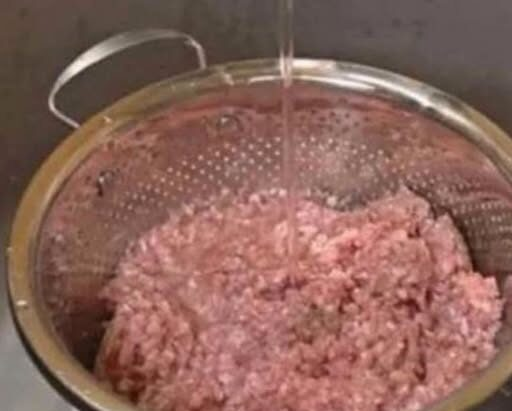
Washing Minced Meat Can Spread Bacteria Around the Kitchen and Make Browning More Difficult
Some kitchen habits are so familiar that they rarely get questioned. A cook who grew up watching someone rinse meat may repeat the step automatically, just as they would wash vegetables before preparing dinner. With ground beef, however, running water introduces problems that are easy to miss while concentrating on the food itself.
The USDA advises against washing raw meat. Rinsing ground beef can spread bacteria through splashes around the sink, and it adds moisture that can interfere with browning. If the aim is to reduce fat, choosing a leaner blend or draining cooked meat provides a more practical approach.
Why Some Cooks Rinse Minced Meat
People generally give two explanations for rinsing ground beef. Some want to remove fat, while others believe water will clean away bacteria before cooking. Both intentions come from wanting to prepare a better meal, and both can become part of a routine passed down through a family.
The distinction between raw and cooked meat matters here. Fat released during cooking collects in the pan, where it can be drained. Raw ground beef contains fat distributed throughout the mixture. Running water over the surface gives the cook little control over the fat content of the portion that remains.
There is also a difference between removing something visible and dealing with bacteria. Water may carry away loose material, but the appearance of rinsed meat tells you little about its safety. The cooking stage is where a food thermometer can provide a useful measurement.
Habit helps explain why the practice persists. If someone has always washed meat and considers that part of preparing it carefully, skipping the step can feel uncomfortable. Understanding where the water goes and what it carries makes the concern easier to assess.
Splashes Can Move Bacteria Beyond the Sink
Raw ground beef can contain harmful bacteria, including Salmonella and E. coli. When water strikes the meat, droplets can land on the basin, faucet, counter, and nearby utensils. A person may finish rinsing with their attention still on the beef while overlooking the surfaces that were splashed.
That creates opportunities for cross-contamination. A utensil resting beside the sink may later be used for another ingredient. Hands can touch a faucet and then return to food preparation. The original intention was to clean the meat, but the washing step can spread contamination into the surrounding workspace.
Small splashes can be difficult to notice, especially around an already wet sink. The absence of a visible mess offers little reassurance about where droplets have landed. Keeping raw beef away from running water removes that particular source of splashing.
The same concern applies when deciding where to place bowls, utensils, and other ingredients during preparation. A busy counter can put several items close to the sink at once. Rinsing meat there adds another route by which bacteria can reach things that will be handled later.
Added Water Changes What Happens in the Pan
Moisture also affects the way ground beef cooks. When wet meat enters a hot skillet, the added water must evaporate. Until that happens, the beef is more likely to steam, making it harder to develop the browned surface many recipes depend on.
Browning contributes savory flavor through the Maillard reaction. It is part of what gives cooked beef a richer taste in dishes such as tacos, burgers, and meat sauces. Excess water delays that stage and can leave the cook waiting for liquid to disappear before the meat begins to color.
Rinsing after browning changes the result in another way. Water can carry away rendered fat and flavorful juices that have already developed during cooking. Depending on the preparation, the finished beef may taste less rich or feel drier.
Fat contributes flavor and texture, although cooks may reasonably want to limit how much remains in a dish. The useful question is how to manage it while preserving the qualities the recipe needs. Selecting the beef before cooking gives more control than trying to change its composition under the tap.
A Leaner Blend Makes Fat Content Easier to Manage
Ground beef is sold in blends with different proportions of lean meat and fat. Labels such as 90/10 and 93/7 identify those proportions. Choosing one of these leaner options lets a cook start with less fat in the mixture.
That choice is especially helpful when planning a recipe in advance. The amount of fat is part of the ingredient decision, alongside how much meat to buy and how it will be cooked. Rinsing provides no similarly clear measure of what has been removed.
For beef that has already been browned, excess rendered fat can be drained from the pan. Gently blotting the cooked meat with a paper towel is another way to absorb some surface grease. These methods address the fat released during cooking without moving the beef into the sink.
The amount worth removing depends on the dish and the result the cook wants. A sauce may use some of the juices for flavor, while another preparation may benefit from draining more thoroughly. Either way, it is easier to judge the rendered fat when it is visible in the pan.
Fat disposal is another reason to avoid rinsing cooked beef over the sink. Warm grease can move through the drain with water and then collect as it cools. Over time, accumulated fat can restrict drainage and contribute to a blockage.
Letting drained fat cool and solidify makes it easier to scrape into the trash. This also keeps the job separate from washing dishes, when grease can otherwise disappear down the drain before anyone gives it much thought.
Using the tap to carry grease away may appear convenient because it clears the immediate mess. The fat still has to go somewhere. Keeping it out of the drain prevents the cleanup from creating a problem farther along the pipes.
Use a Thermometer to Check Ground Beef
For ground beef, the USDA’s recommended minimum internal temperature is 160°F, or about 71°C. A food thermometer provides a direct way to check that the meat has reached that temperature. Rinsing offers no equivalent check on whether bacteria have been addressed.
The practical routine is straightforward: prepare the beef without washing it, cook it thoroughly, check its internal temperature, and manage any excess fat in the pan. A leaner blend can help when reducing fat is a priority, while cooled grease can be disposed of in the trash.
Family cooking traditions can remain meaningful even when one preparation step changes. In this case, leaving ground beef out of the sink makes the work simpler, supports better browning, and avoids spreading raw-meat splashes across the area where the rest of dinner is being prepared.